

Protecting cultural heritage
The Trans Adriatic Pipeline traverses three countries rich in history and culture. TAP respects the host countries’ cultural heritage and has worked with experts to protect archaeological sites and artefacts along the pipeline route.
Cultural heritage studies and management plans were put in place before construction as part of the Environmental and Social Impact Assessments (ESIAs). This enabled TAP to avoid known archaeological sites. At peak construction, more than 600 archaeologists worked on the TAP project across the three host countries.
In November 2016, TAP was advised of our eligibility for a grant of €14,018,347 from the EU’s Connecting Europe Facility. Awarded in February 2017, the grant was used to fund additional archaeological trial trench investigations and rescue excavations along the pipeline between Kavala and Kastoria in Greece.

A tailored approach
To conform with host country laws and TAP standards, all ground-breaking activities during construction were monitored to ensure the protection or rescue of all artefacts and chance finds. TAP worked with the following archeological authorities:
- Ministries of Culture and regional archaeological authorities in the host countries
- Greek Ministry of Culture and Sports and Ephorates of Antiquities
- Albanian Archaeological Service Agency and Institute of Archaeology
- Italian Superintendence Archaeology, Fine Arts, and Landscape (SABAP)
- University of Tirana.
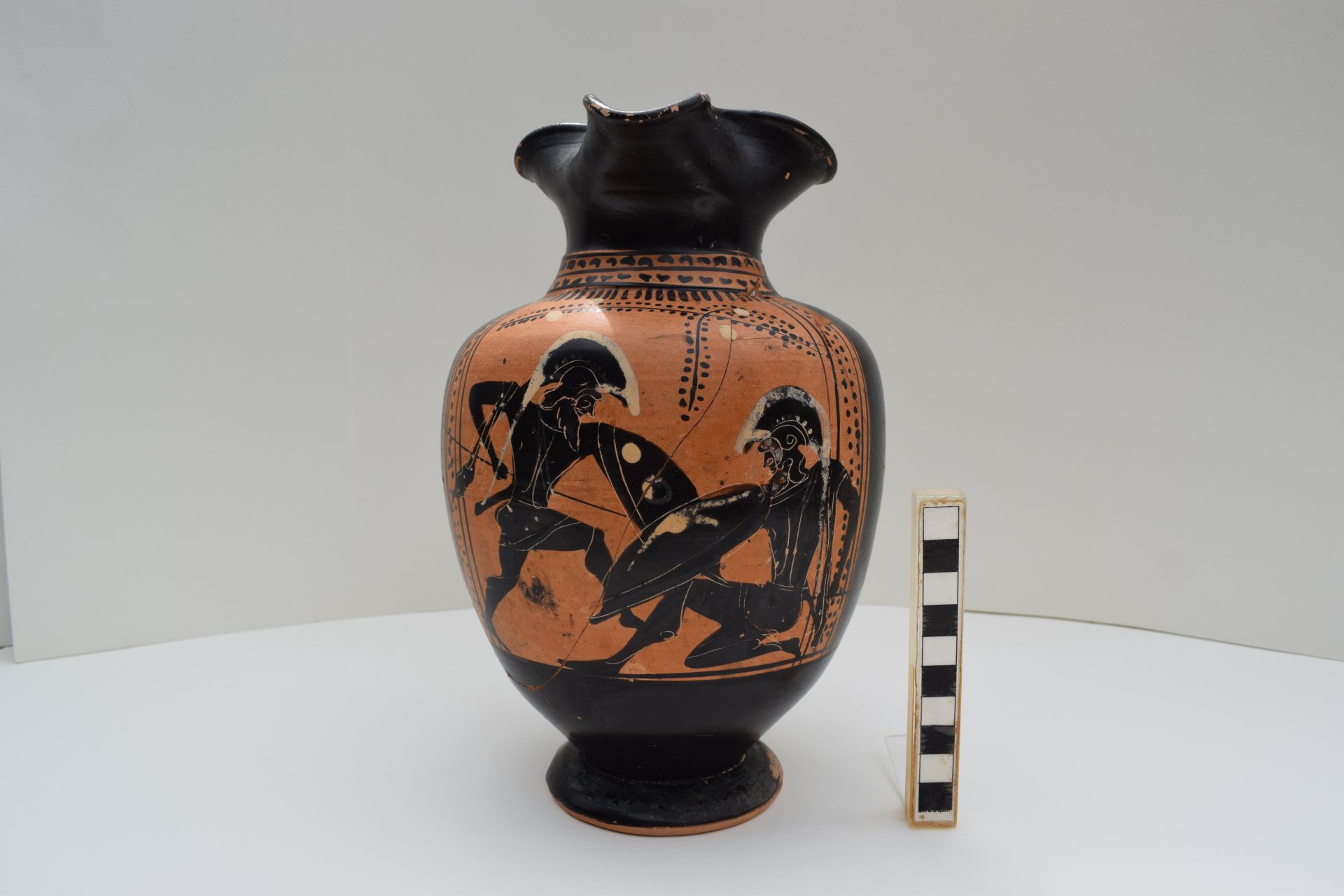
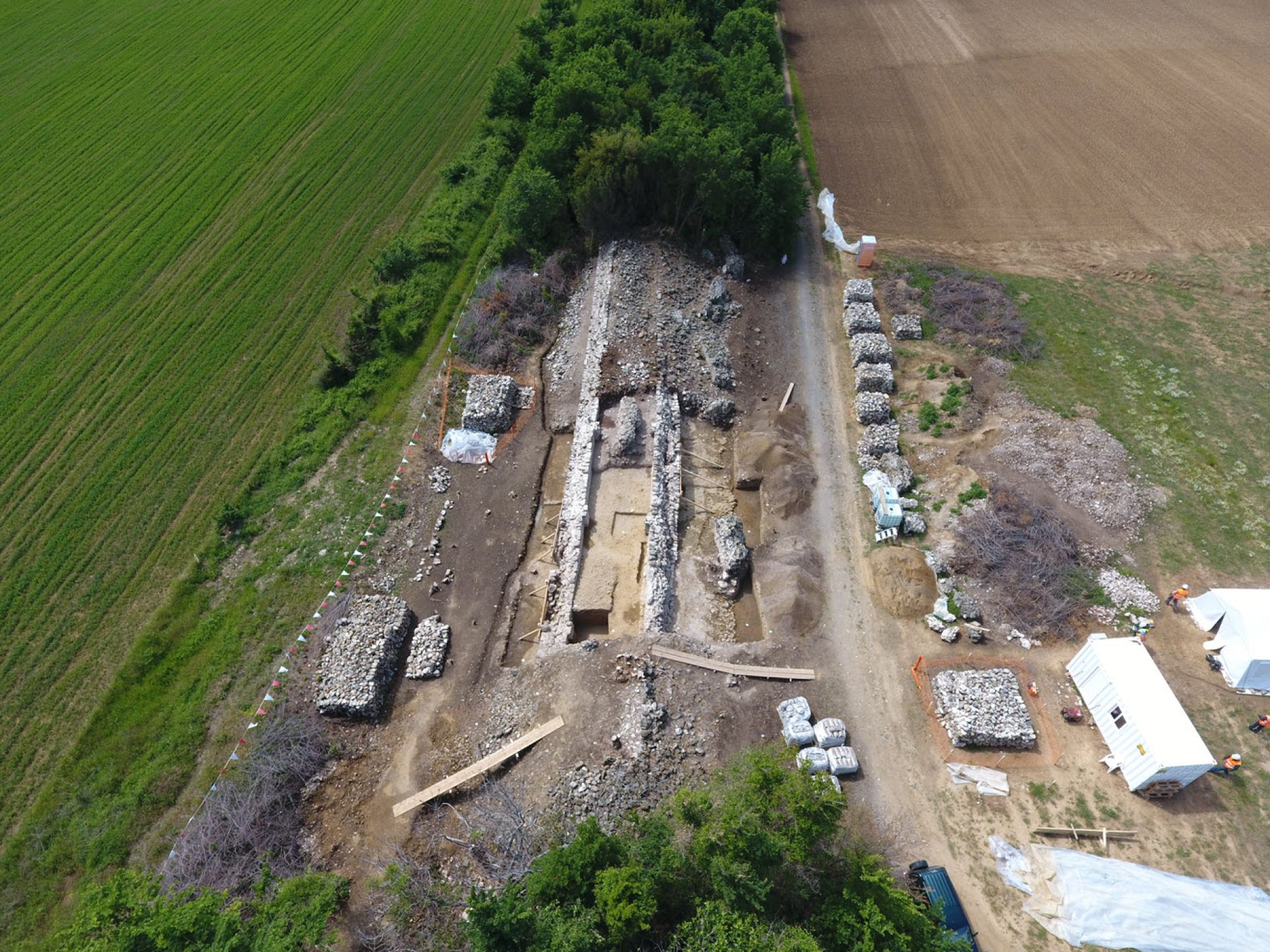
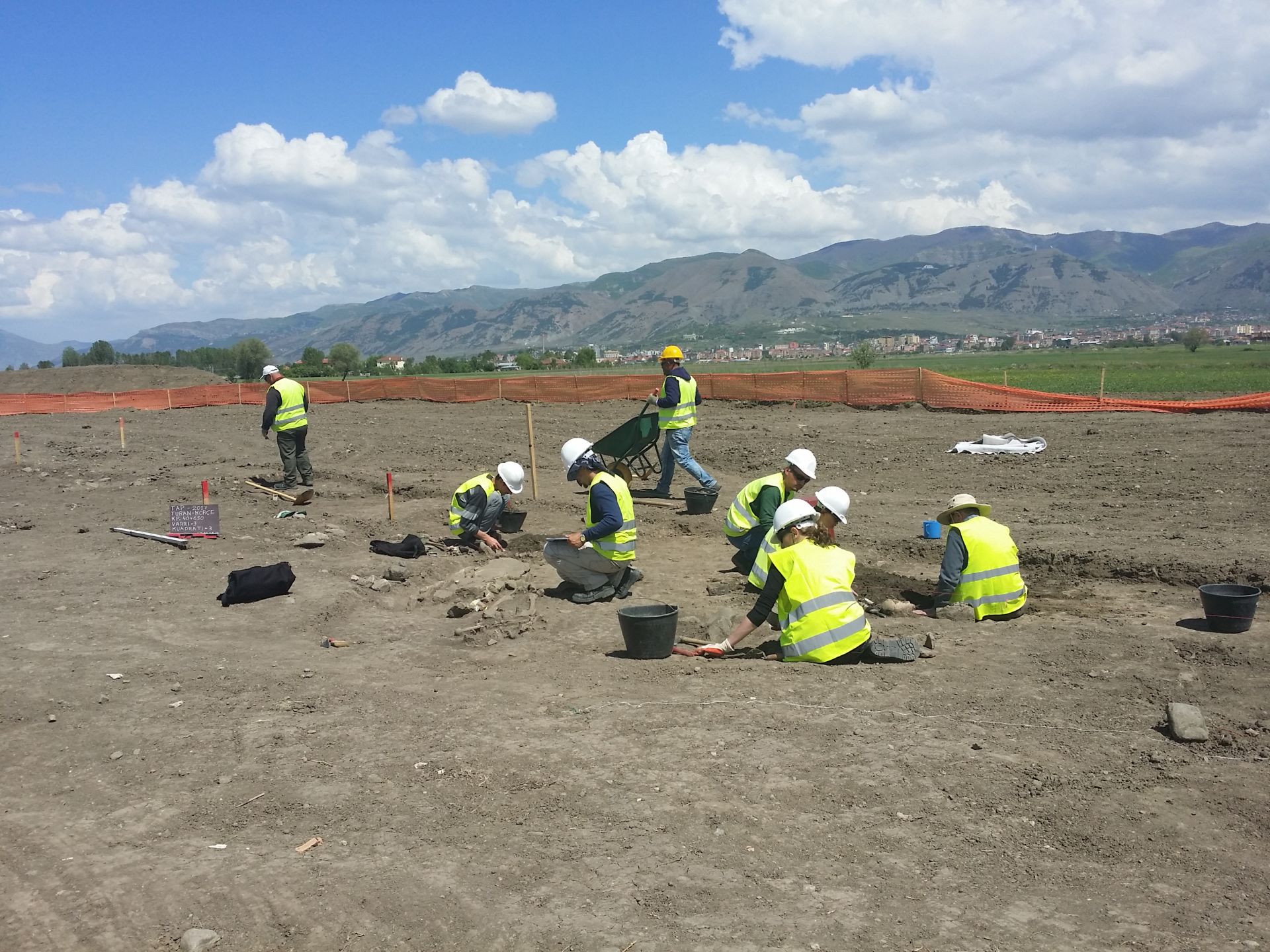
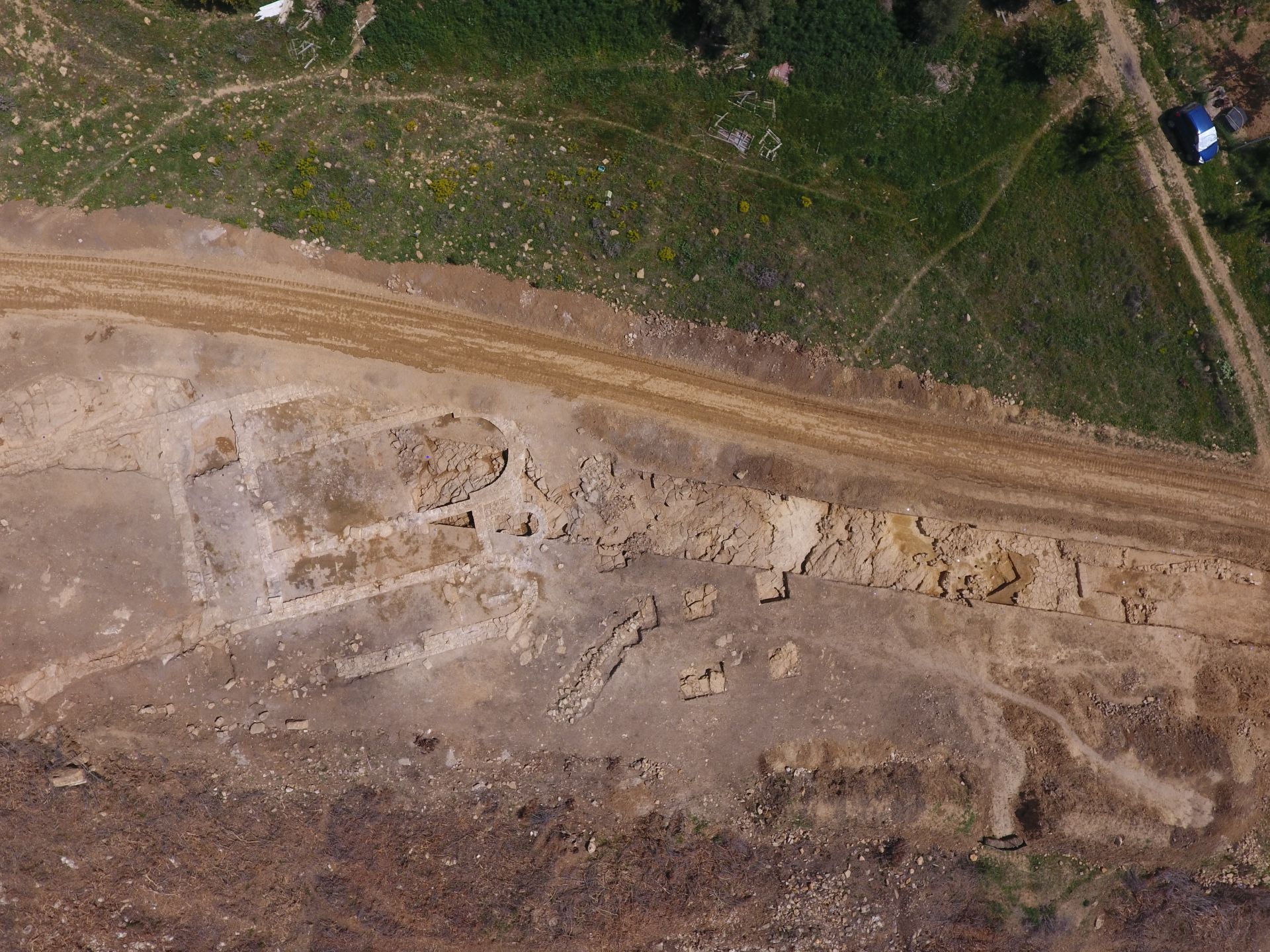
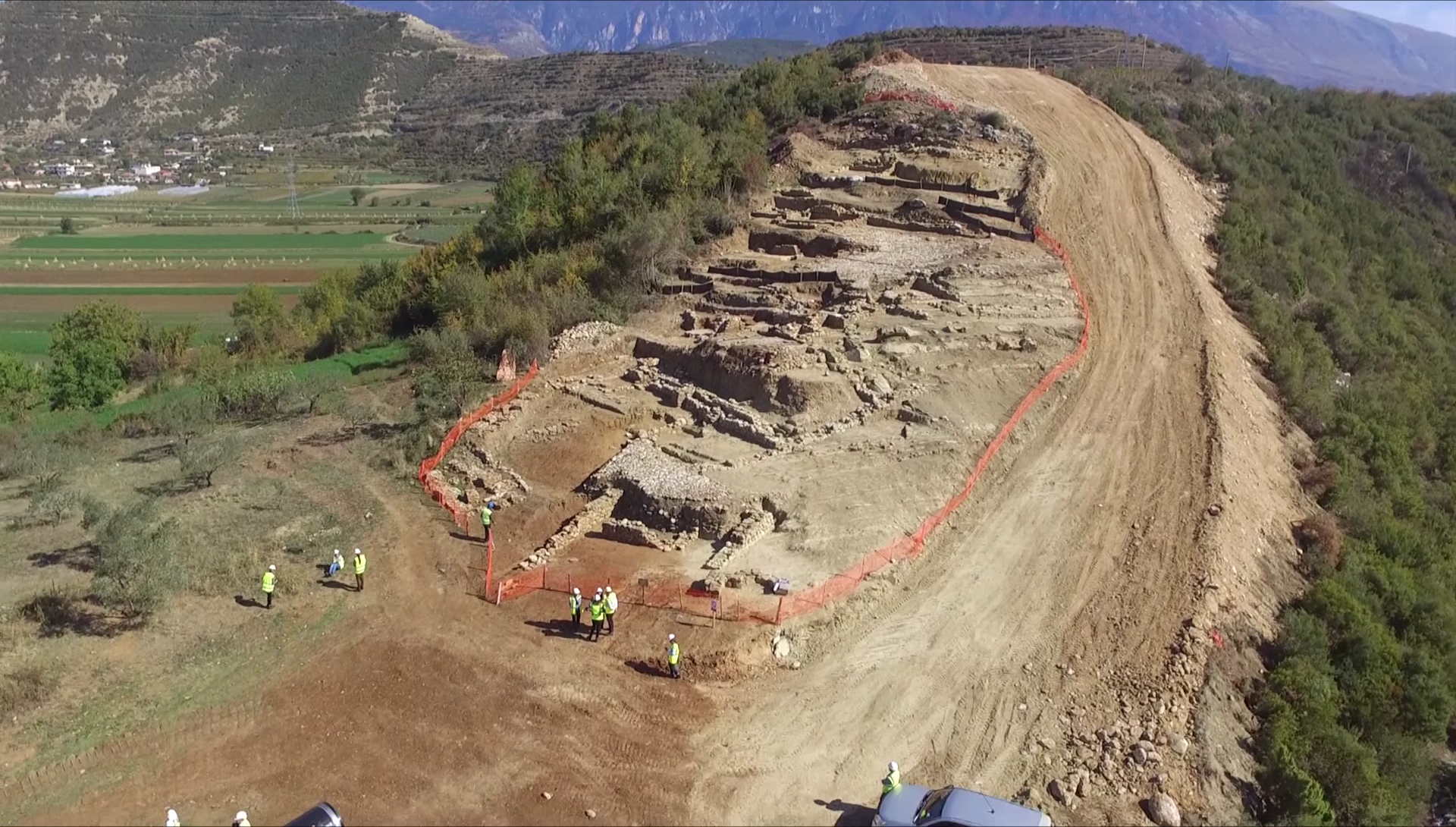
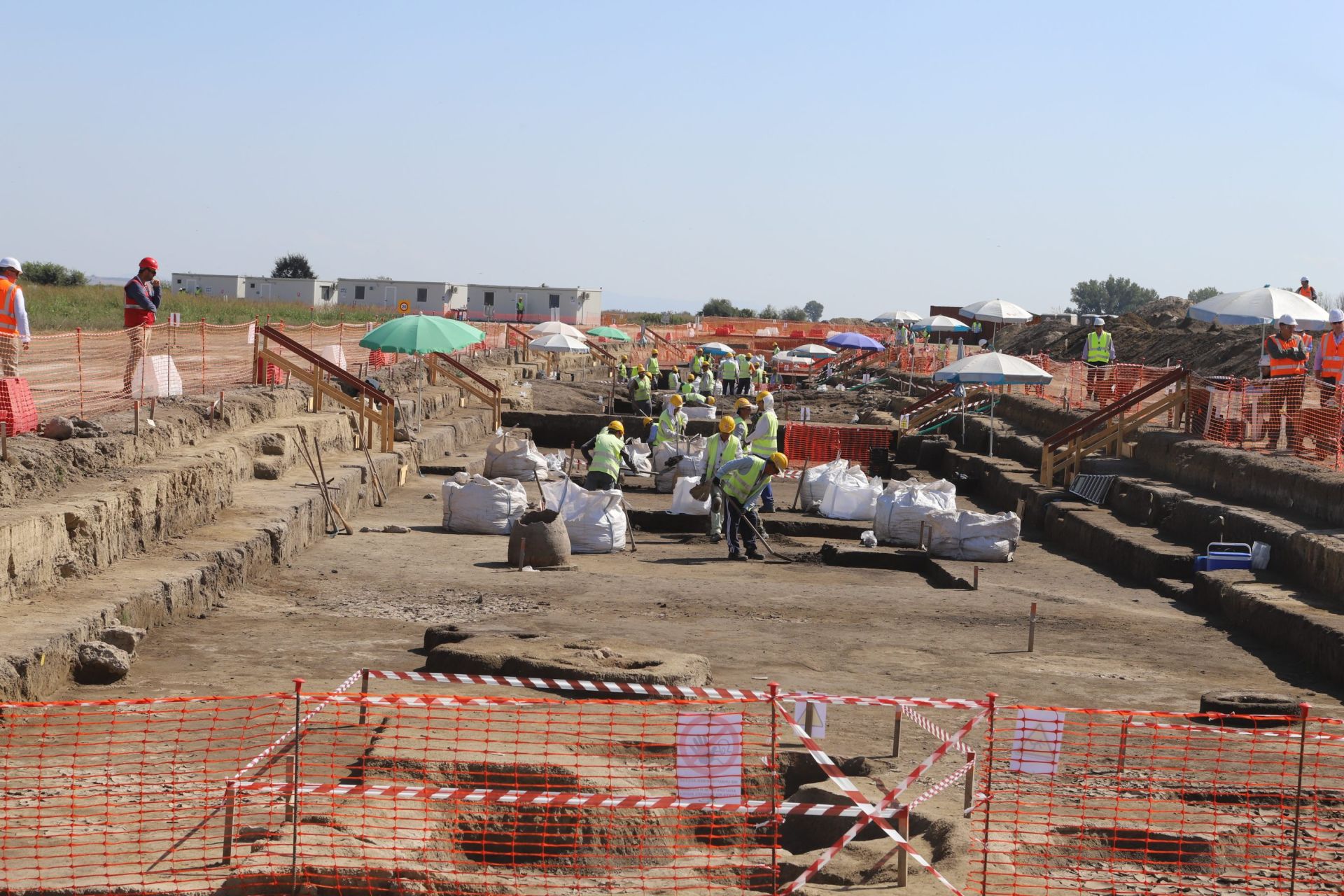
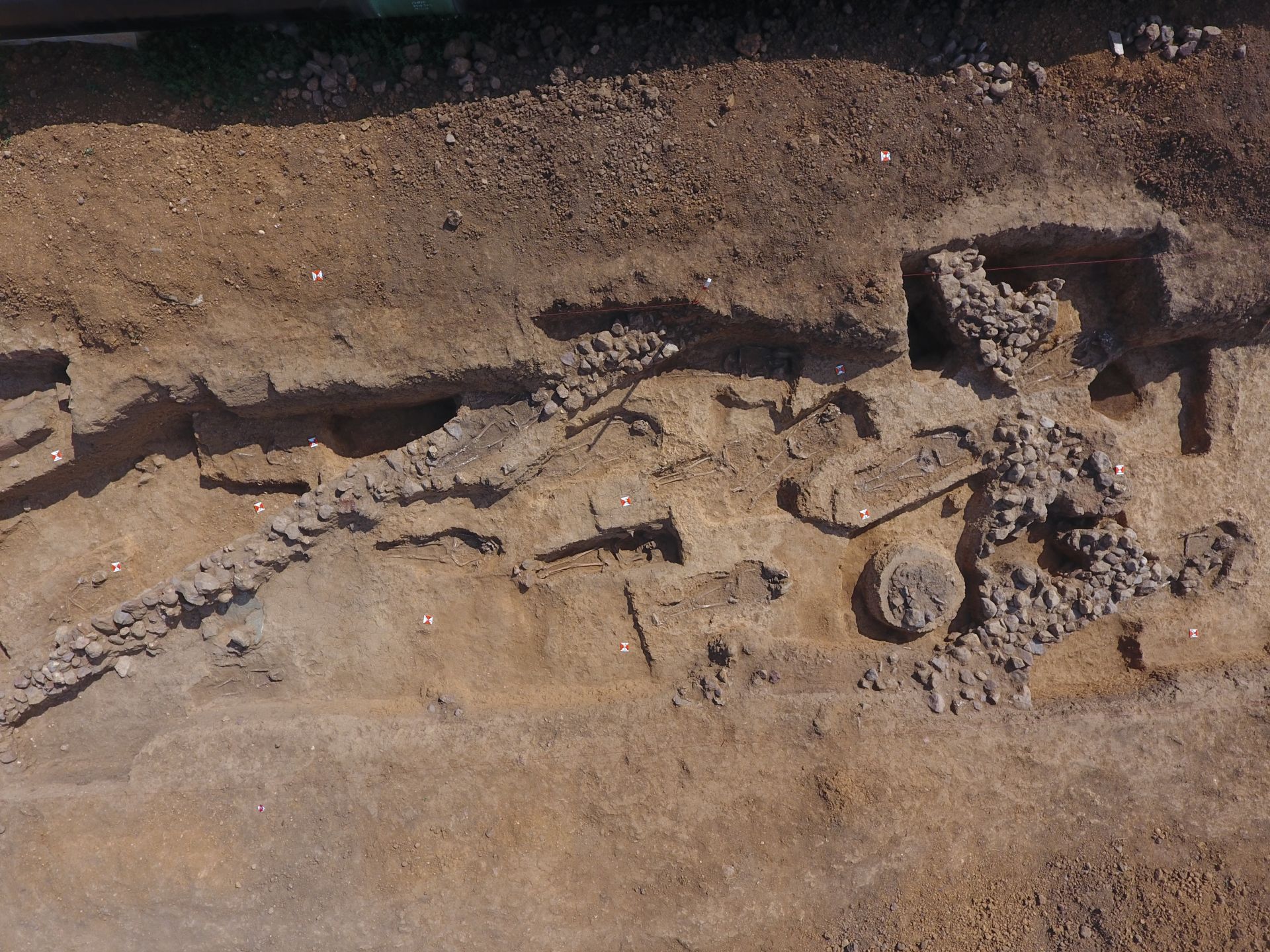


Archaeological finds
Where chance finds were identified, construction work was stopped immediately and a cultural heritage expert (archaeologist) was asked to evaluate the site. Where necessary, the project would effectively “jump” those sections for which the archeologists required more time to assess or excavate. Prior to the resumption of construction work, appropriate actions to avoid, preserve, record and protect the finds were taken.
Chance archaeological finds included:
- a post-Byzantine church unearthed in the Potamos area of Evros, Greece. The pipeline was rerouted underneath this site to avoid any disturbance
- a column capital, part of a 6th century AD religious monument during access road construction works in Albania
- a 29-tonne late Roman/early Byzantine ceramic kiln, transferred to the Komotini Archaeological Museum
- an ancient Justinian Wall in the eastern section of the pipeline in Greece, requiring the use of special boring equipment to circumvent the site and avoid disturbing the find.
