Pipeline construction
The construction of the Trans Adriatic Pipeline involved meticulous planning, the highest safety standards, world-class engineering and a commitment to protecting the environment and communities living near the pipeline.
TAP is 877 kilometres in length: 772 kilometres onshore and 105 kilometres offshore.
Onshore pipeline
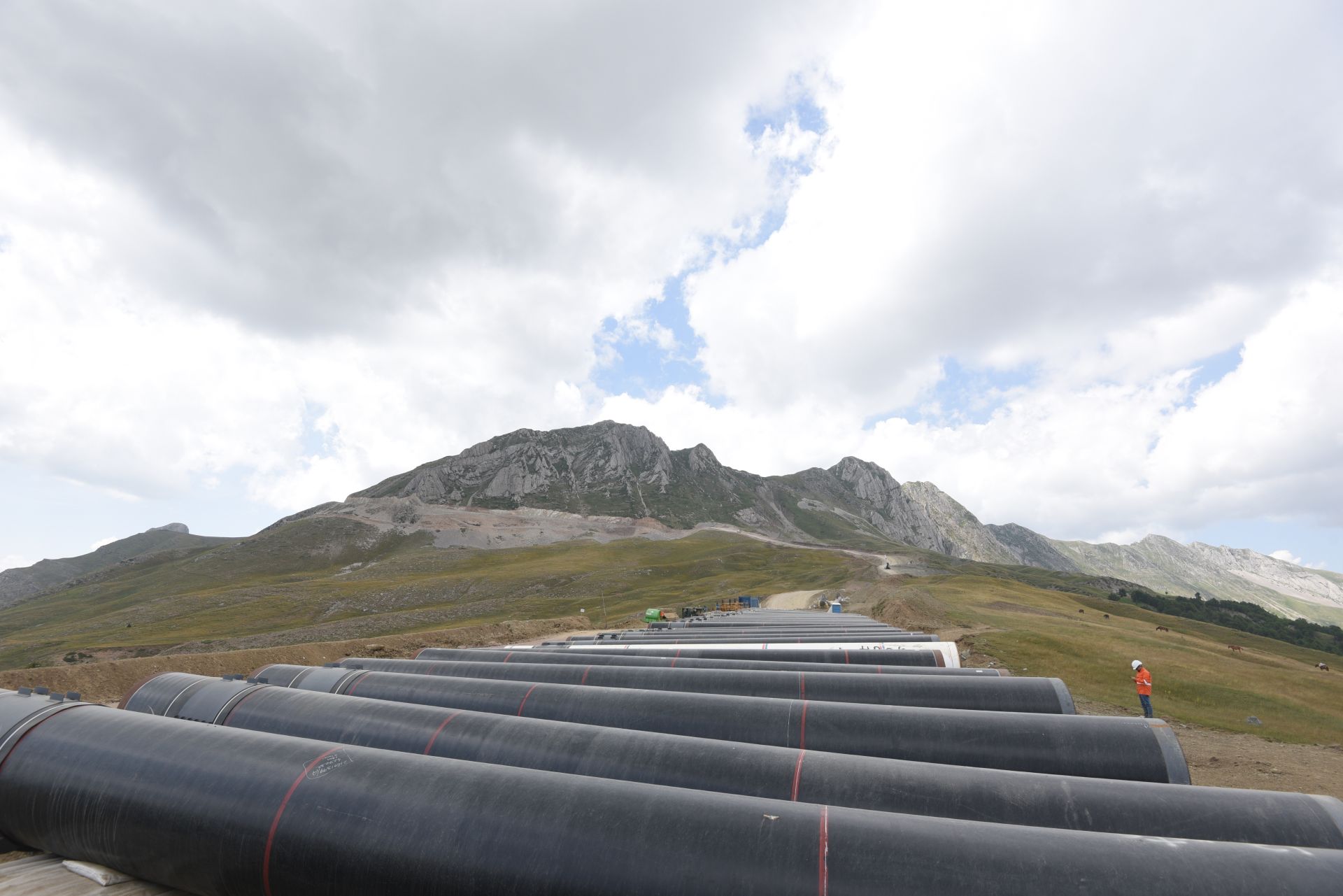
TAP stretches 772 kilometres over a varied and complex terrain. The pipeline construction involved the rehabilitation of several access roads and bridges across our host countries. The route was cleared, trenches dug, and pipes welded together and lowered into the ground. Finally, each area was backfilled and reinstated. Pipe-laying work was undertaken in ‘spreads’ or sections, with some locations presenting significant engineering challenges.
To protect the environment, many different construction techniques were employed for crossing roads and rivers, such as horizontal directional drilling and micro-tunnels.
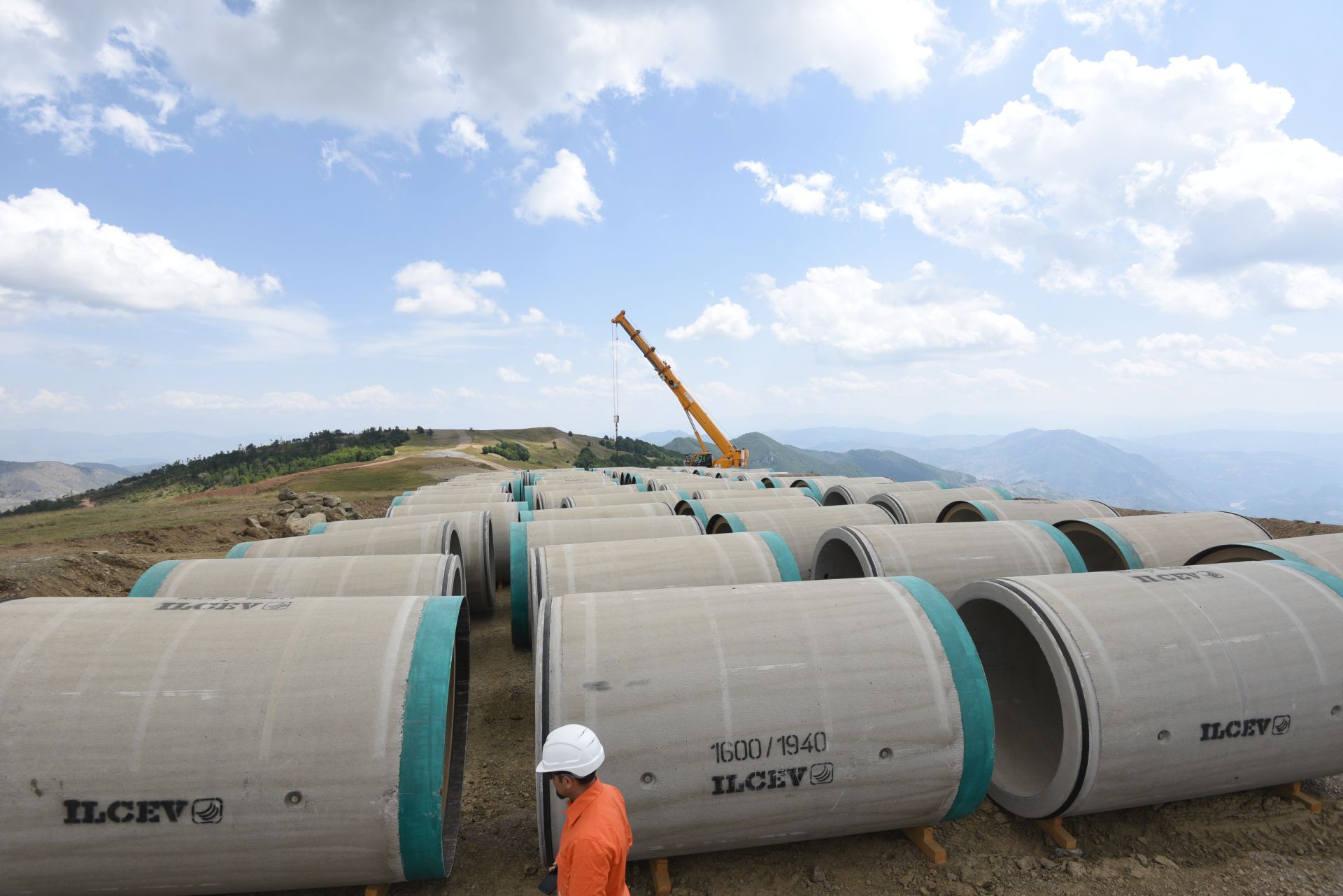
Approximately 55,000 pipes have been used to build the pipeline, weighing circa 520,000 tonnes or the equivalent of 71 Eiffel towers. The pipes were transported to TAP’s main marshalling yards in 79 sea vessel shipments and 158 block trains within Greece. From the main marshalling yards, the pipes were transported further to the local pipe yards near the construction sites along the pipeline route.
Offshore pipeline
Laying steel pipes beneath the Adriatic Sea at depths of more than 800 metres, with a duty of care to the environment, is no easy feat. TAP contracted industry leader Saipem to lay the pipe-string on the seabed, using a specialist semi-submersible vessel.
The pipeline is invisible from the coasts of Albania and Italy. Tailored approaches for the landfalls were designed, in line with the project construction methodology. TAP worked closely with environmental authorities in Albania and Italy to agree a strategy that would satisfy environmental criteria. For example, the project avoided any harm to Posidonia and Cymodocea seagrass, bioconstructions and the Mediterranean Maquis onshore.
World-class engineering
In February 2018, near the Greek village of Elaiousa, TAP completed one of the longest thrust bores of its type: an 1,820 metre horizontal directional drill beneath the Axios river.
Geological and geophysical studies were conducted to identify the optimal drill profile with capacity for enlargement. Drilling and reaming (widening of bore holes) operations took place between November 2017 and February 2018, using a 400-tonne rig with reaming tools designed specifically to minimise rotation and pull forces.
TAP’s contractors and their engineers constructed a pipe section, comprising 1.2 metre diameter pipes, and accommodated the welded pipe stretch all in one go. To add to the challenge, the team was required to build this pipe-string along a curved section of the pipeline’s right of way, within a floatation trench, passing below a provincial road.
The controlled installation process took 36 hours and was completed with zero impact on either local communities or the environment.
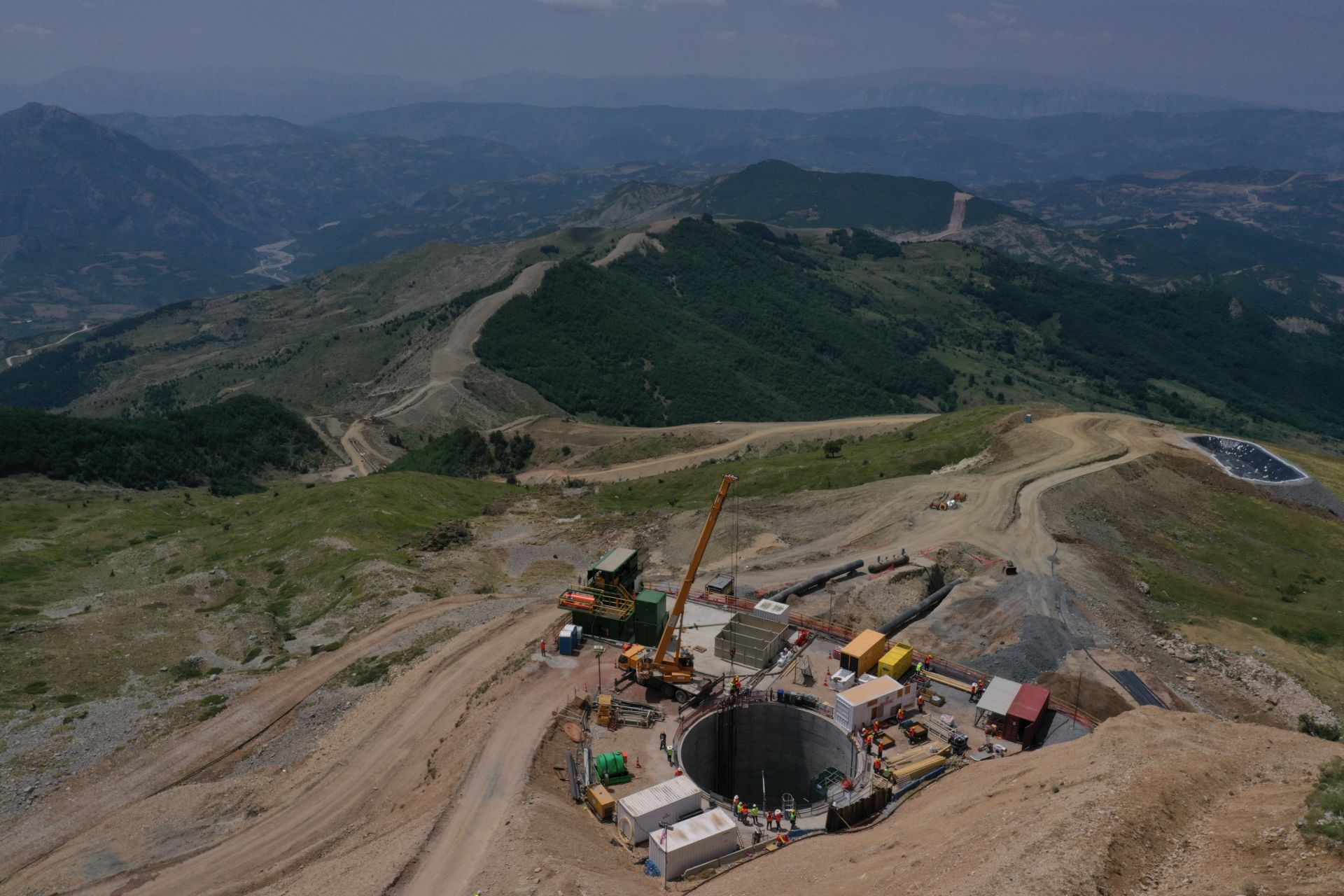
Case study: Boring a micro-tunnel in the Albanian mountains
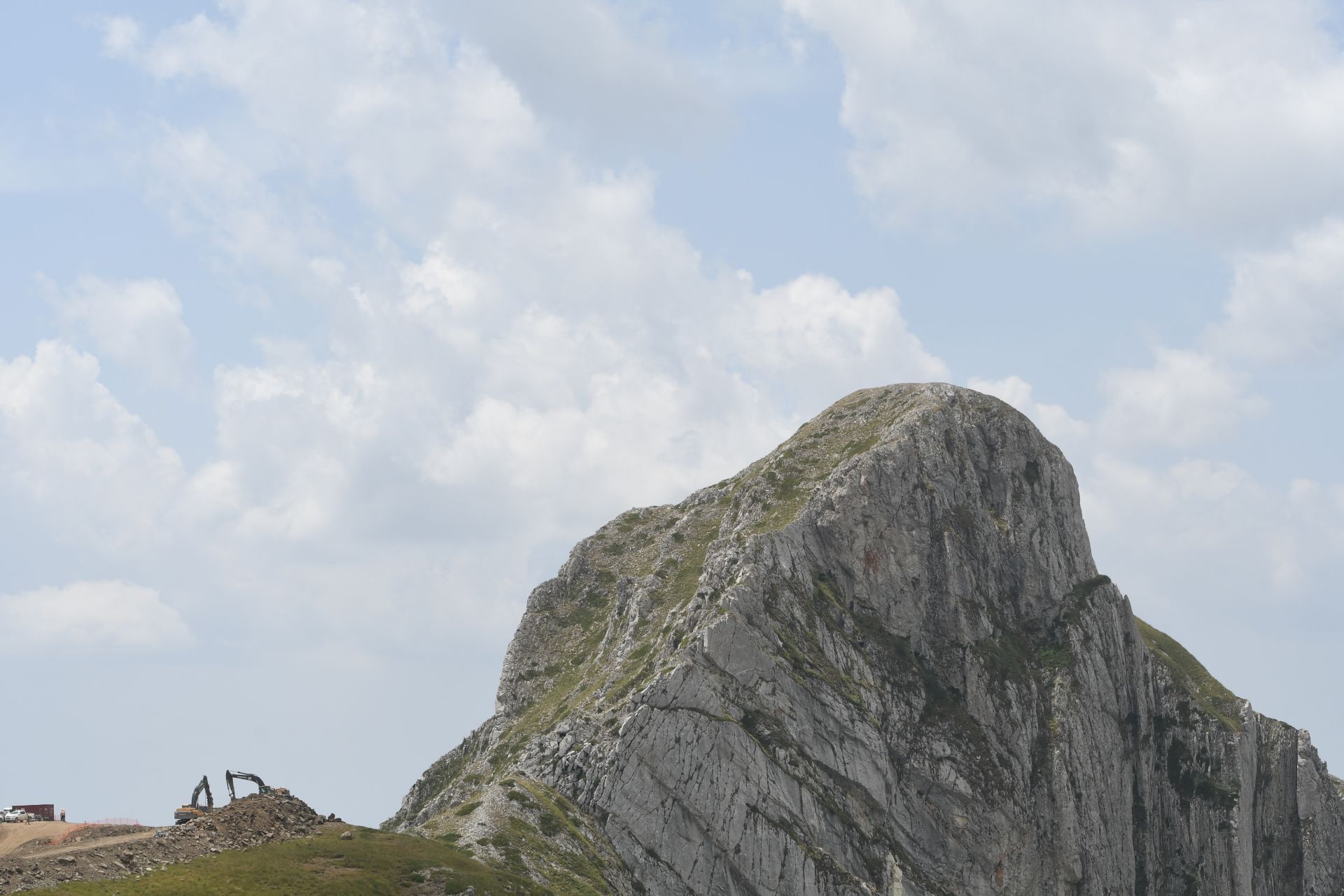
At the pipeline’s highest point in Albania, at altitudes of more than 1,800 metres, TAP’s engineers were faced with some of the most challenging terrain and difficult geological conditions of the entire pipeline route.
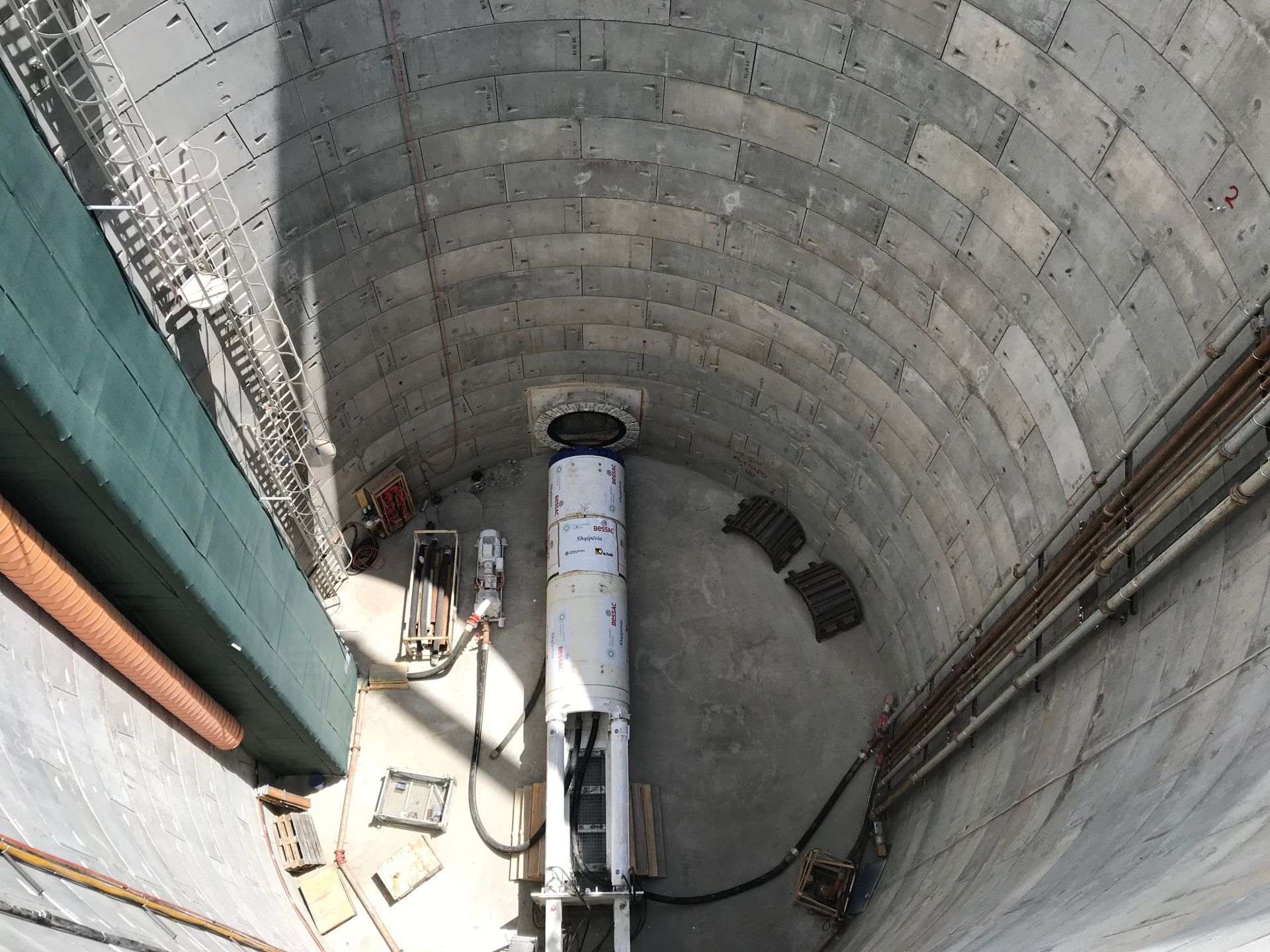
With no option of rerouting, TAP decided to drill a 480-metre micro-tunnel underneath the area to avoid installing the pipeline in unstable ground.
In addition to the technical issues intrinsic to such a challenging project, the teams also had to face tough weather conditions and manage access to a very remote area 12 kilometres from any paved road and a three-hour journey from base camp.
Boring started in mid-July 2019 and by mid-August 2019 the boring team had drilled approximately 60% of the tunnel. At this point however, the tunnel boring machine jammed. TAP together with the contractors’ engineers explored various options to overcome this challenge, choosing to dig a recovery gallery and unblock the already bored section by cutting and removing the concrete pipe segments that had seized.
By November 2019, however, the boring team had managed to successfully recover the tunnel and push through the reception shaft.
TAP completed several other micro-tunnels in Albania (see micro-tunnel in Skrapar) as well as a number of other trenchless installations along the pipeline route.