
TAP’s Approach to Protecting Biodiversity for River Crossings

March 3 marks World Wildlife Day – a UN initiative aimed at celebrating and raising awareness for the protection of wild animals and plants around the globe. This year’s World Wildlife Day is dedicated to "Forests and Livelihoods: Sustaining People and Planet."
On this important day, and following similar stories, we take the opportunity to reflect on TAP’s robust approach to identifying environment-related risks; avoiding any undesirable impacts; and protecting critical species and their habitats along the pipeline route.
Given this year’s theme, we wanted to focus on some very sensitive ecosystems: rivers. And specifically, rivers and their riparian forests (i.e. forested or wooded areas adjacent to a body of water), which are often rich in biodiversity and can support a wide range of fauna species and/or sensitive flora habitats.
Committed to biodiversity conservation
During the route selection and Environmental and Social Impact Assessments (ESIA) phases, TAP embarked on the identification of all biodiversity features potentially present along the 878km pipeline route. Especially so, regarding areas for which mitigation might be required to avoid and, if not possible, reduce impacts as far as reasonably possible.
Following these phases, and in line with best industry practices, TAP applied a mitigation hierarchy for the most sensitive biodiversity features, which were wide-ranging: from the presence of critically endangered or endemic fish species within the river itself, to birds of conservation interest, as well as the brown bear, endangered in Europe. The riparian forests are often utilised for refuge, breeding, and / or commuting.
Avoiding impact on biodiversity
Avoidance was the number one priority in biodiversity impact management and TAP had committed to net gain of biodiversity when compared to preconstruction levels.
An indicative example of how TAP engineered the avoidance of impacts was through the application of trenchless techniques, such as Horizontal Directional Drills (HDDs), under rivers and the associated riparian forests – given that trenchless installation methods were less invasive.
The picture below shows the entry point of the trenchless crossing of the Axios river in Greece and demonstrates how a successful trenchless crossing avoids impacting both the river and the associated riparian forest.

TAP identified the most important rivers along the pipeline route where the same approach had to be applied even before the beginning of construction works.
Such rivers include, among others, Evros, Filiouris, Xiropotamos, Nestos, Aggitis, Strymonas, Axios, Vardarovasi, Loudias and Aliakmonas in Greece; and the Semani and Osumi in Albania. In Italy, trenchless crossings were used to avoid impacts to oak forest, wetlands, and sea grass meadows in the near shore section of the pipeline route.
Each trenchless crossing performed in these areas was designed by international expert engineers to ensure the crossing was completed safely and successfully, including the use of inert drilling fluids.
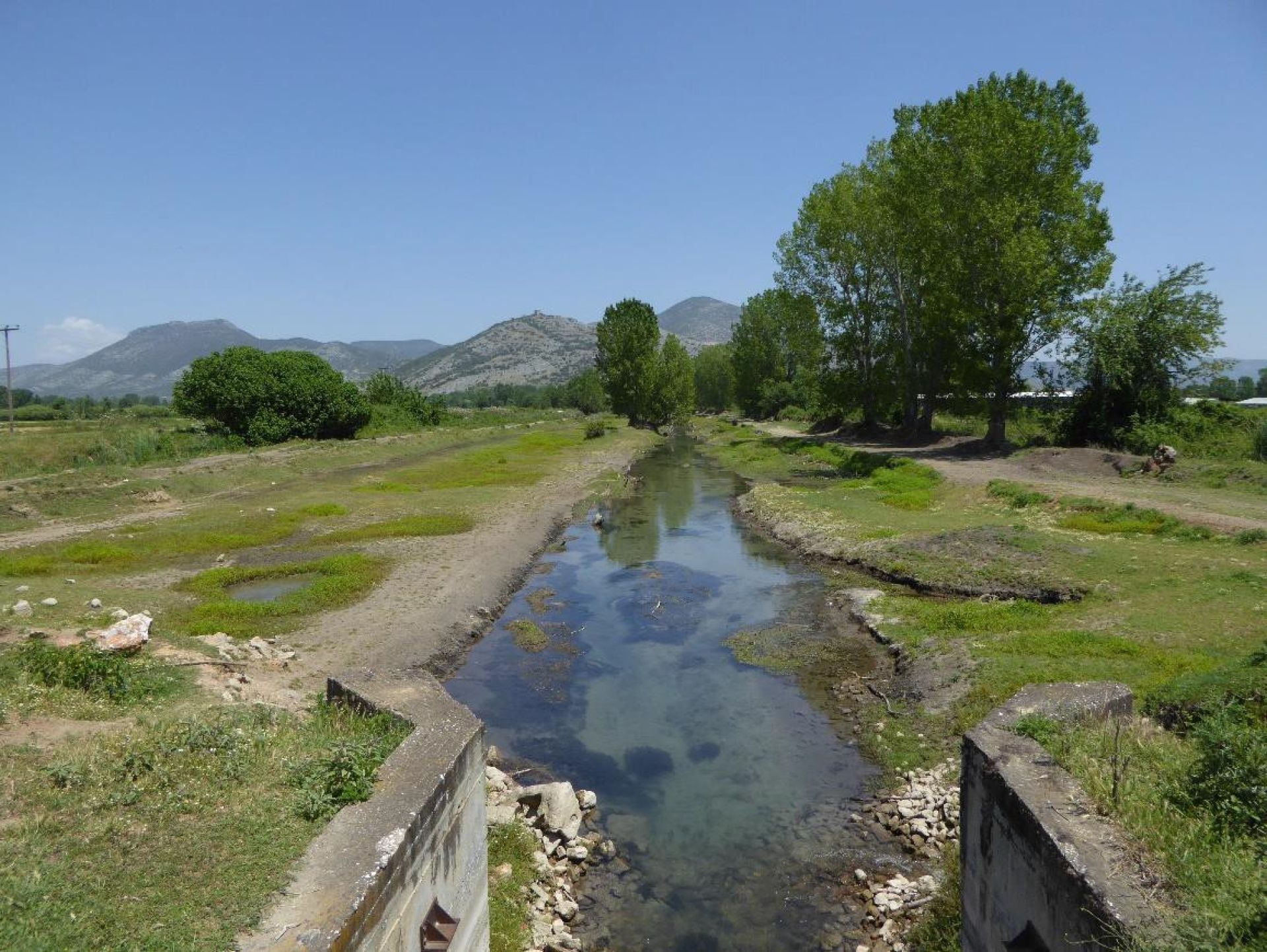
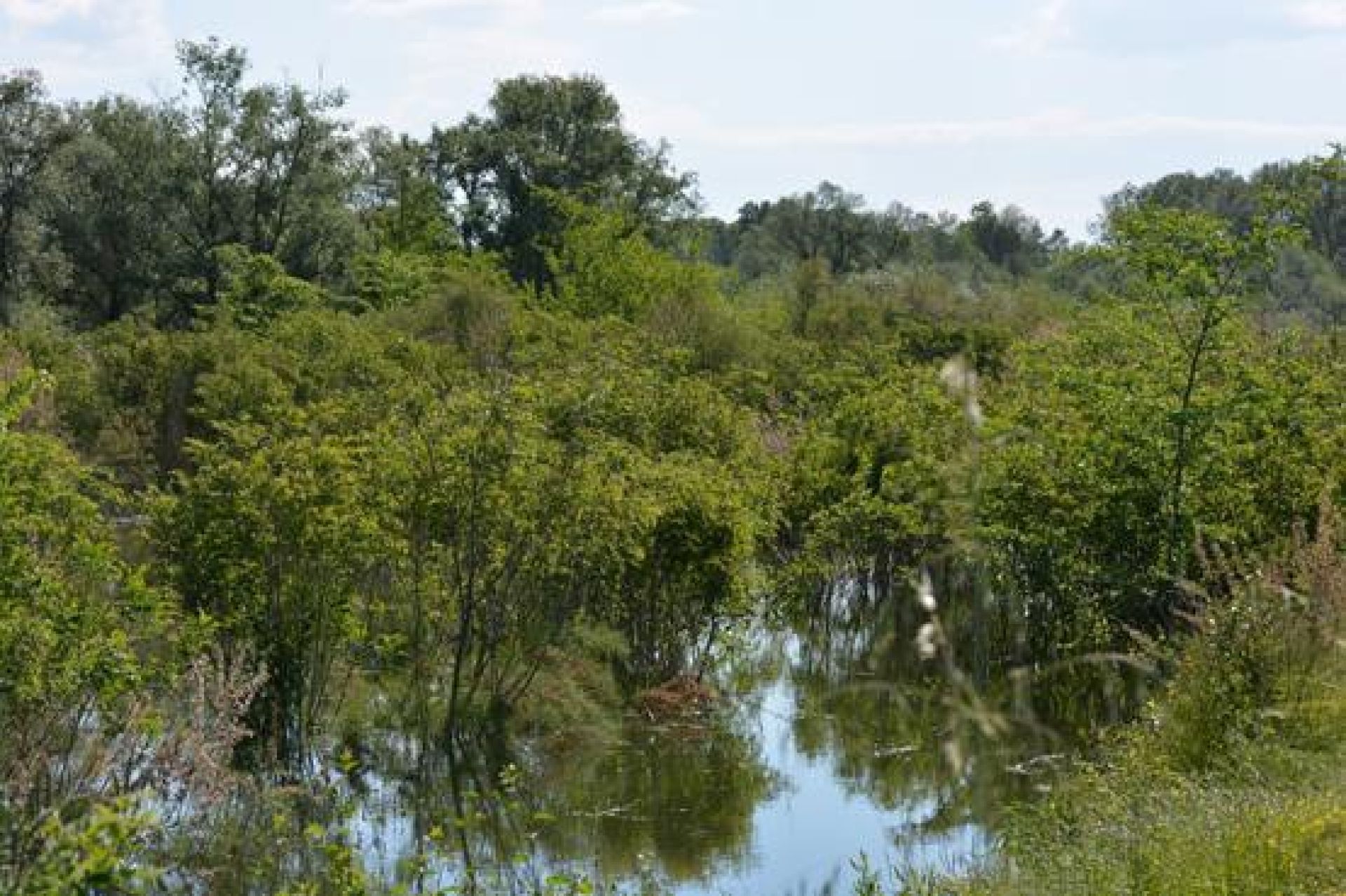


Case study: crossing the Aliakmonas River
The Aliakmonas river in the Greek region of Western Macedonia was identified as being particularly rich in biodiversity. This was due to the presence of a European Priority habitat in the adjacent riparian forest zone, including the presence of the European brown bear and the grey wolf among other mammals of interest, such as the European otter. In addition, the river itself supported a number of important fish species.
TAP's route intersects with the Aliakmonas river at two locations. During the detailed design phase, it was discovered that the ground conditions prevented the application of traditional trenchless techniques, such as the HDD. Therefore, to ensure avoidance of impact to biodiversity at these crossings, and in accordance with the mitigation hierarchy, the TAP teams applied the direct pipe method (trenchless technology combining the strengths of HDD and micro-tunnelling).
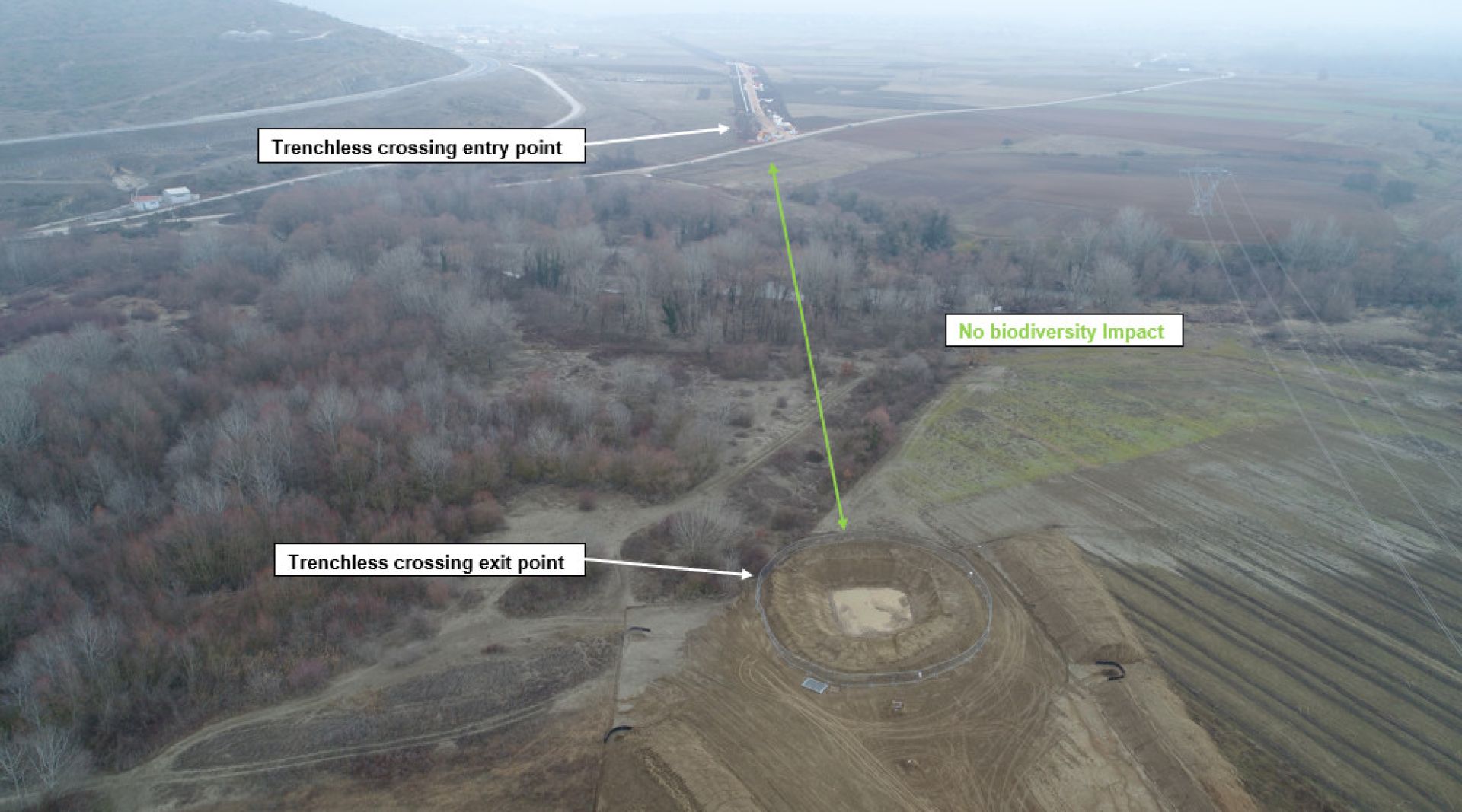
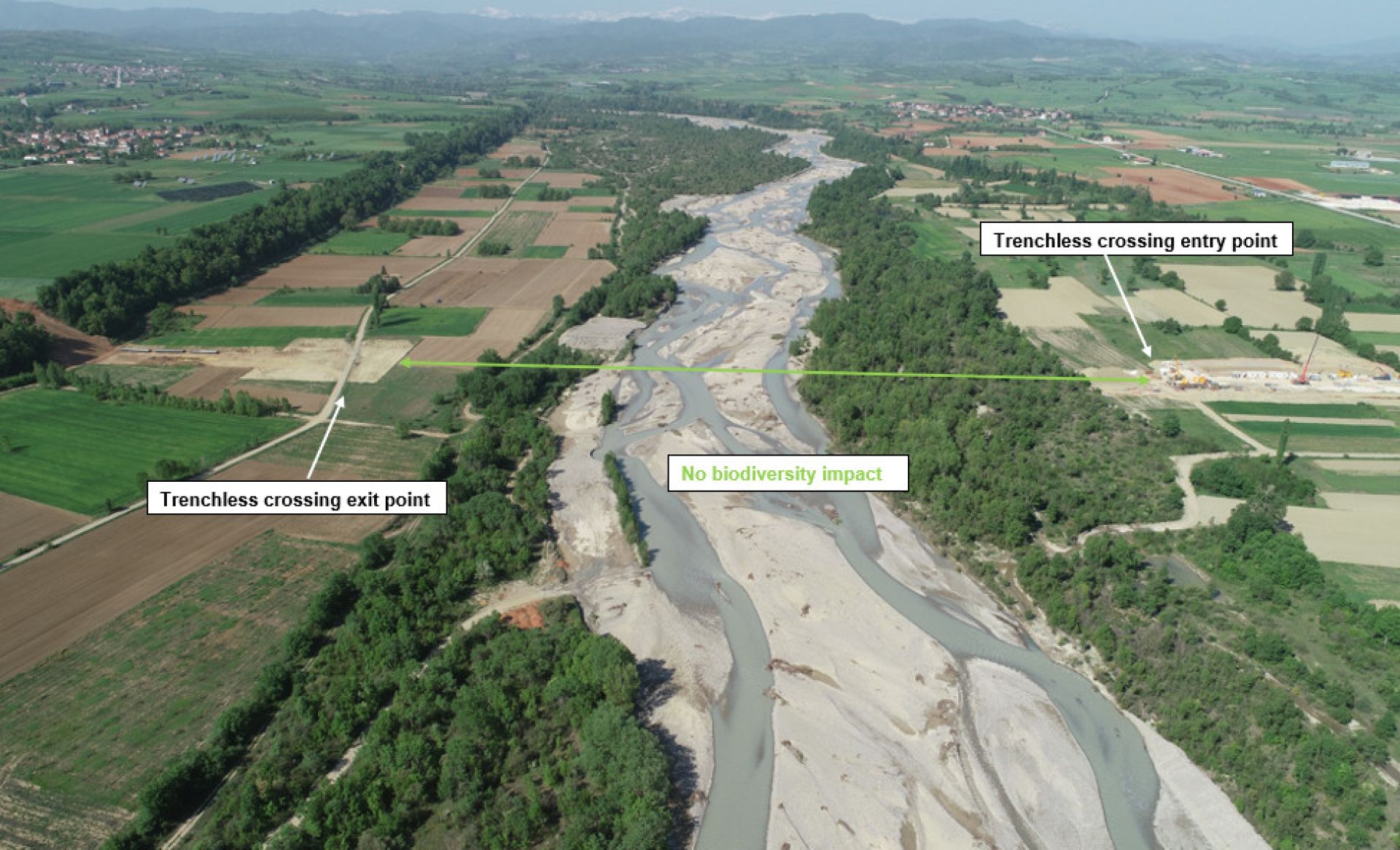


The drone footage below captures the construction phase of the trenchless crossing of Alikamonas at the second crossing point.
Monitoring species and their habitats for their protection
Biodiversity along the pipeline route was monitored throughout the construction phase, as TAP’s environmental team installed cameras in identified critical habitats.
The video below shows a European brown bear with three cubs captured by one of our non-intrusive remote sensor cameras in the vicinity of the pipeline, at the Aliakmonas riparian forest. Both this sighting and similar footage along the pipeline route are a true privilege and honour for the TAP team, as well as a testament to the effectiveness of TAP’s biodiversity protection efforts in forests, including the trenchless crossings of riparian areas.
TAP will continue monitoring biodiversity at critical areas for years to come, including trenchless crossings, to ensure that its environmental goals are duly maintained.