

THRIVING LAND agricultural project
The agricultural initiative "THRIVING LAND | Supporting Agri-food Education" was implemented across all three Northern Greek regions traversed by TAP. A €1 million trans-regional investment project, THRIVING LAND comprised educational and biotechnological activities, aiming to support cultivation, marketing, and sale of distinct agri-food products, locally produced along the route of the pipeline.



€1 million investment
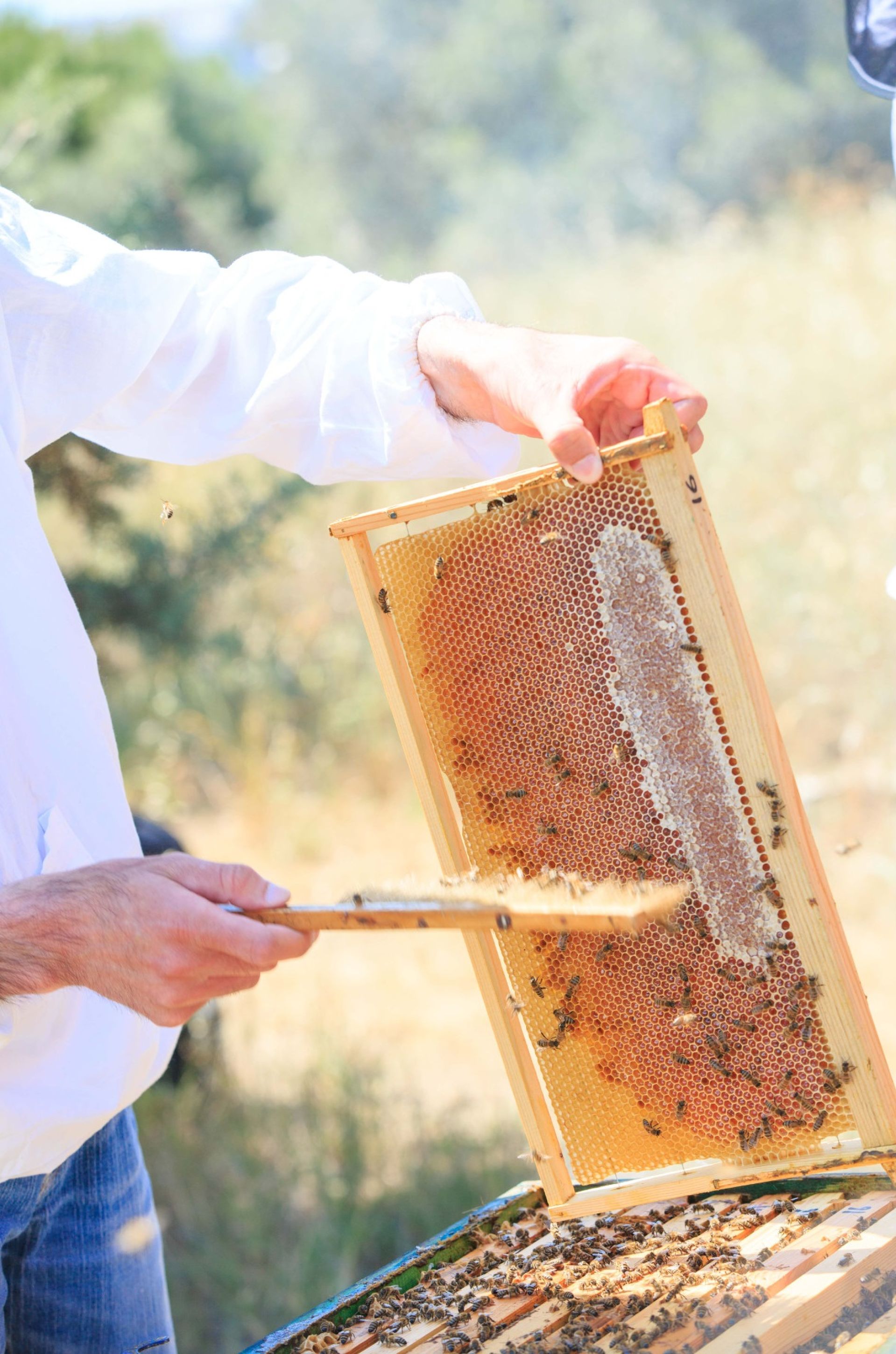
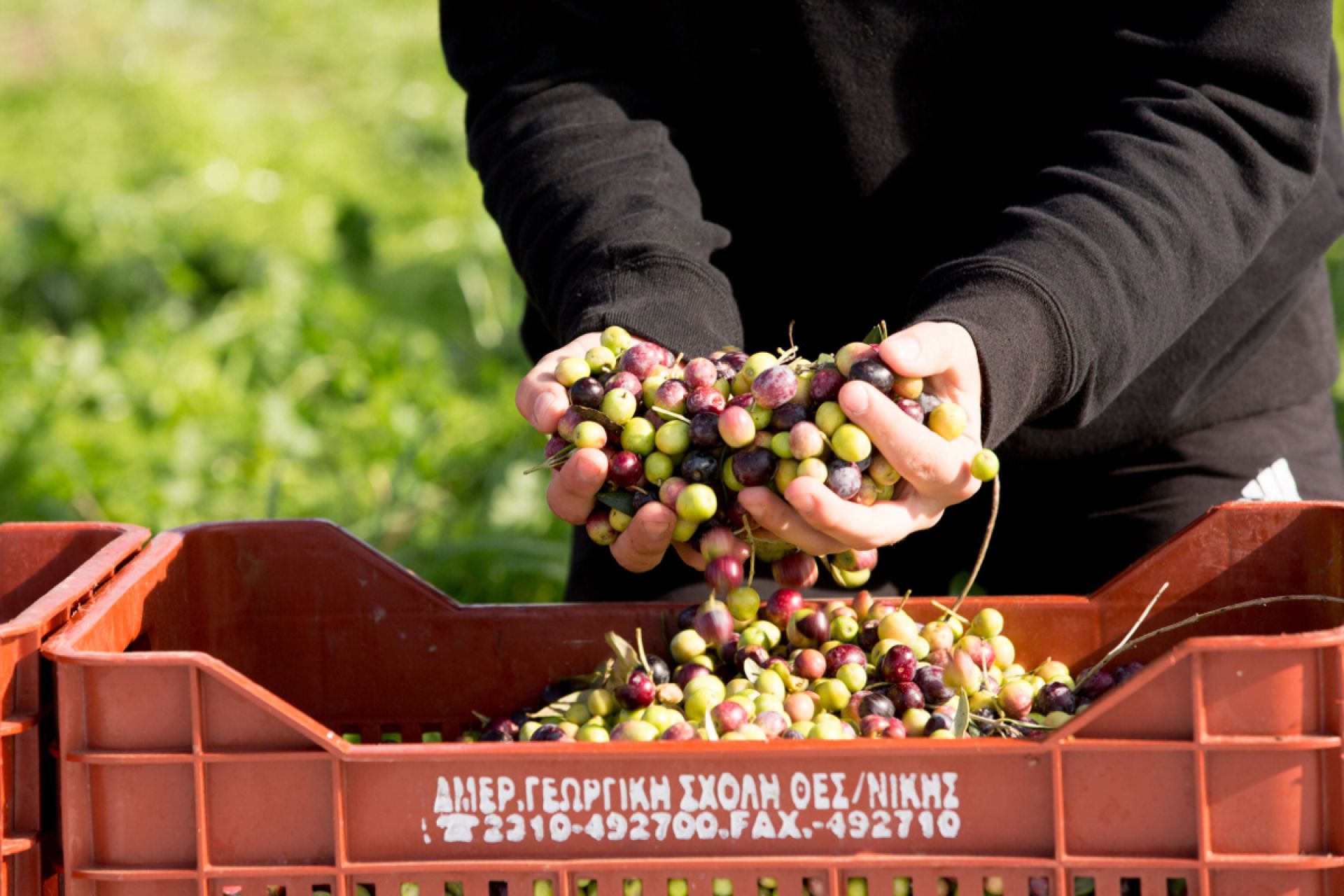
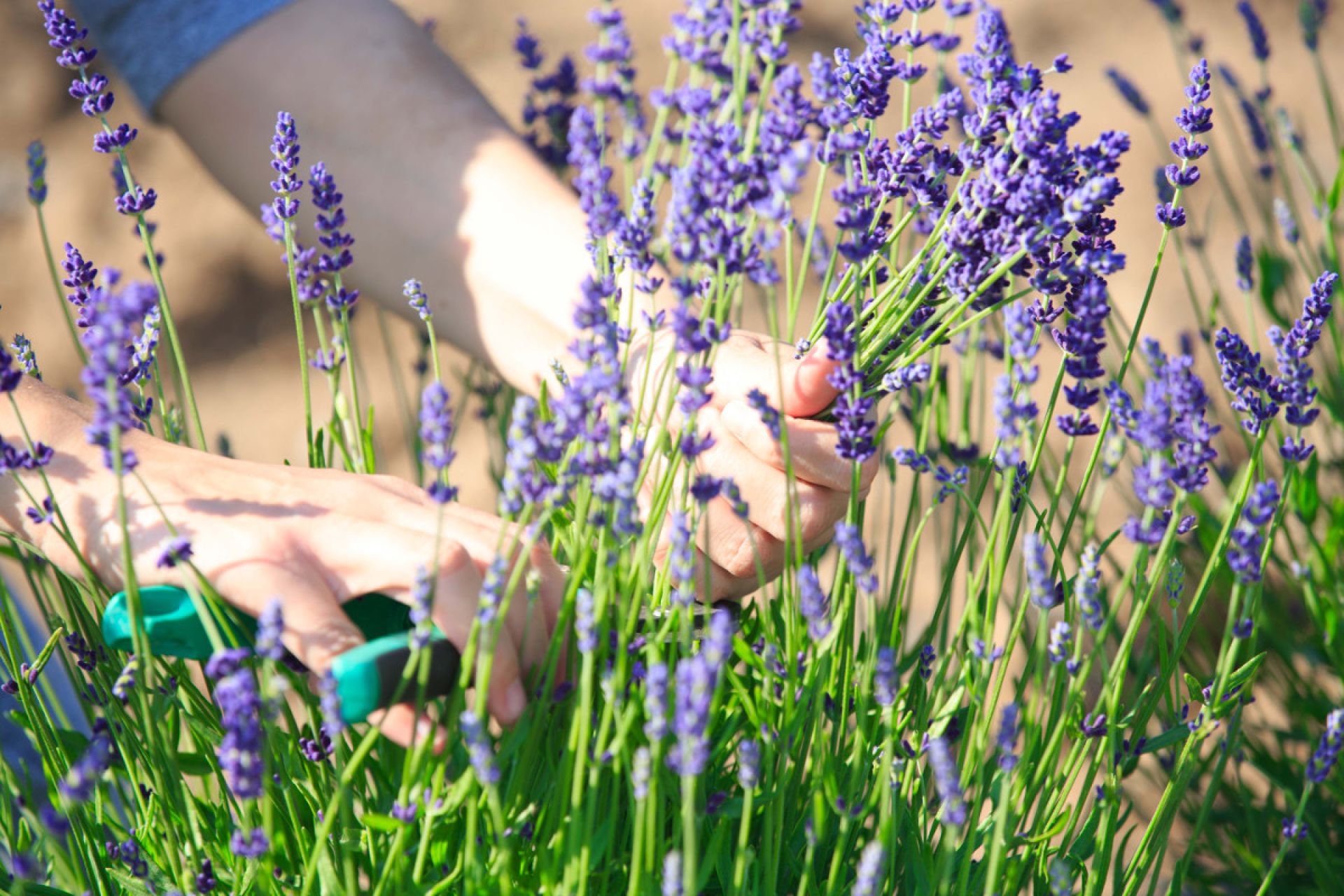
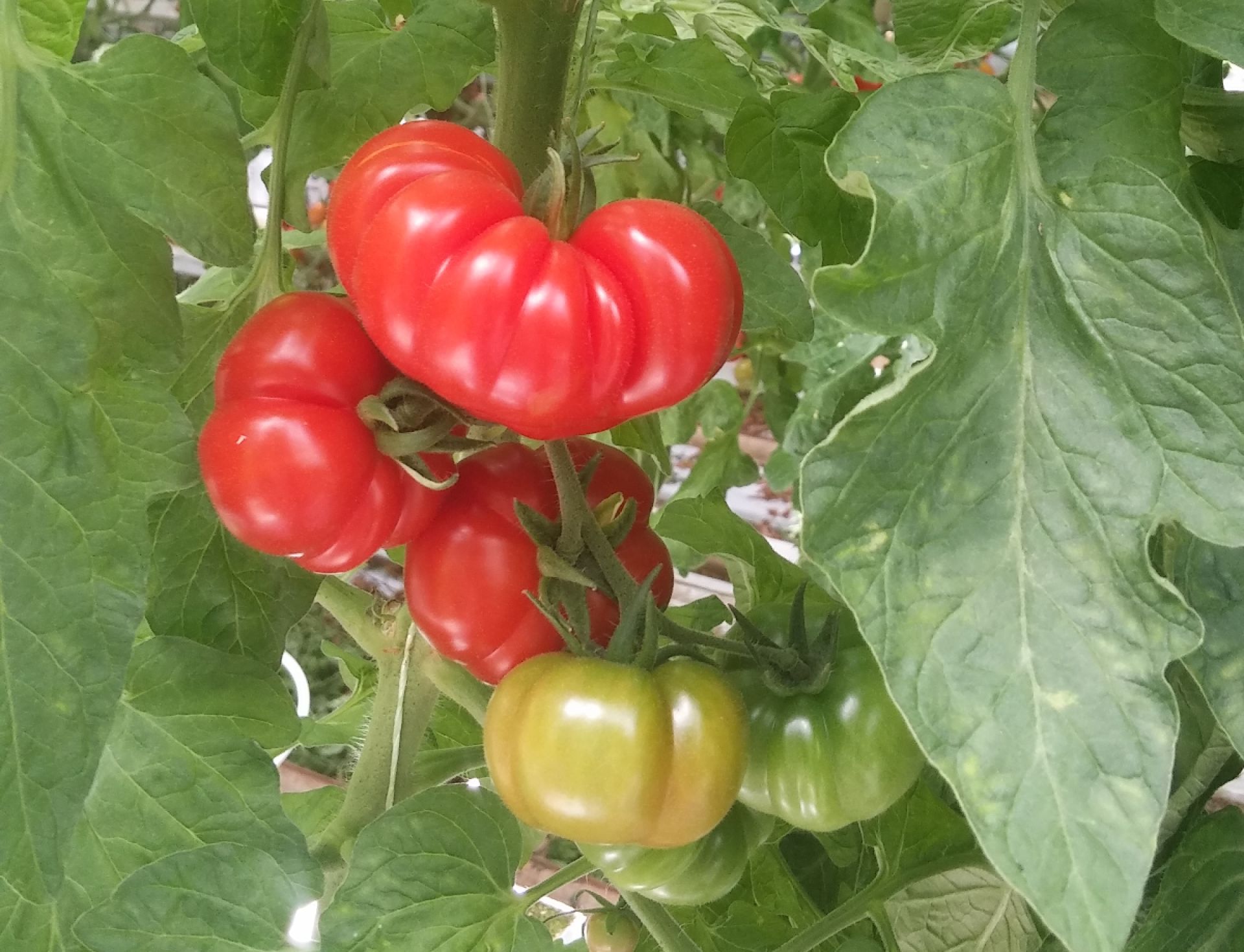
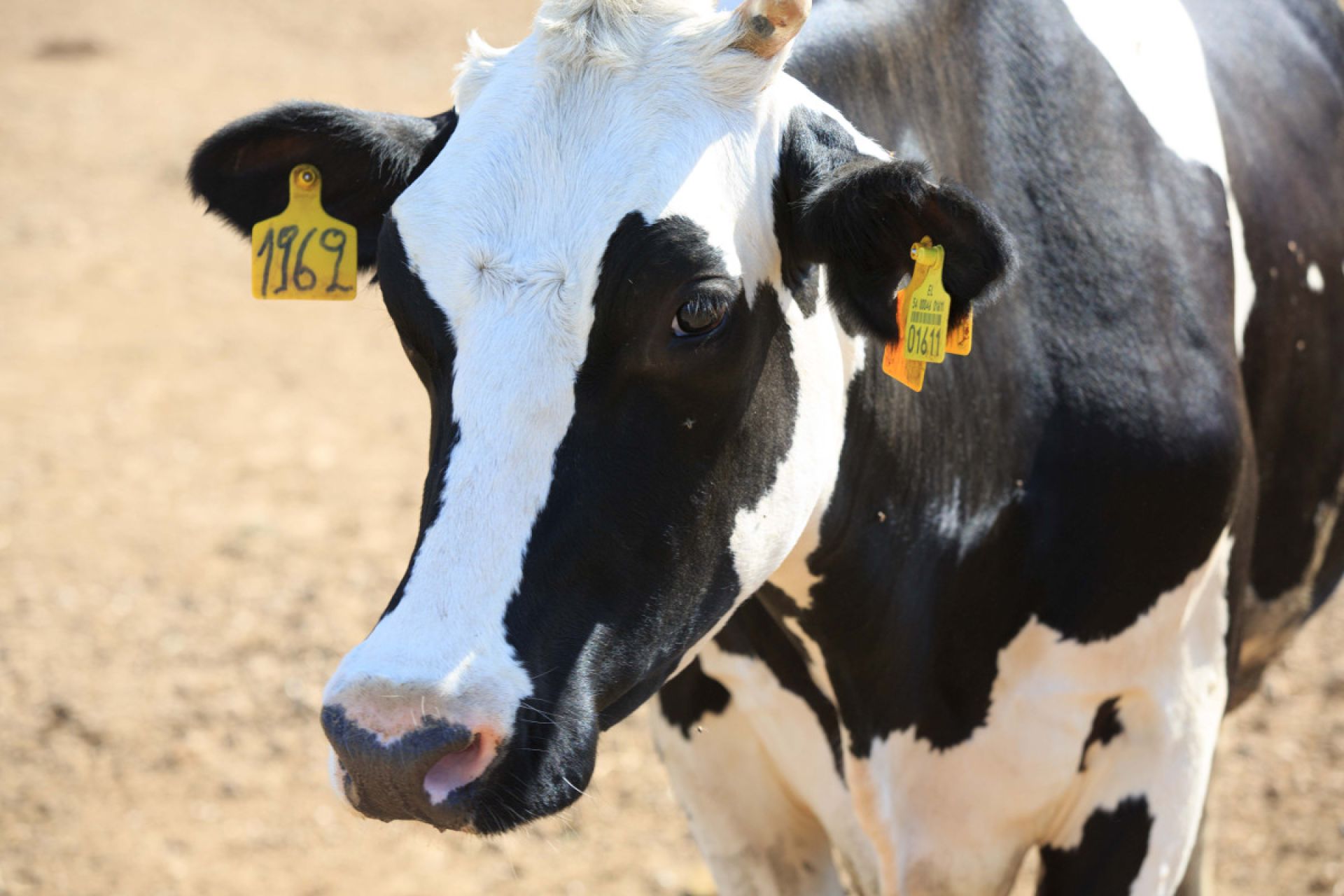
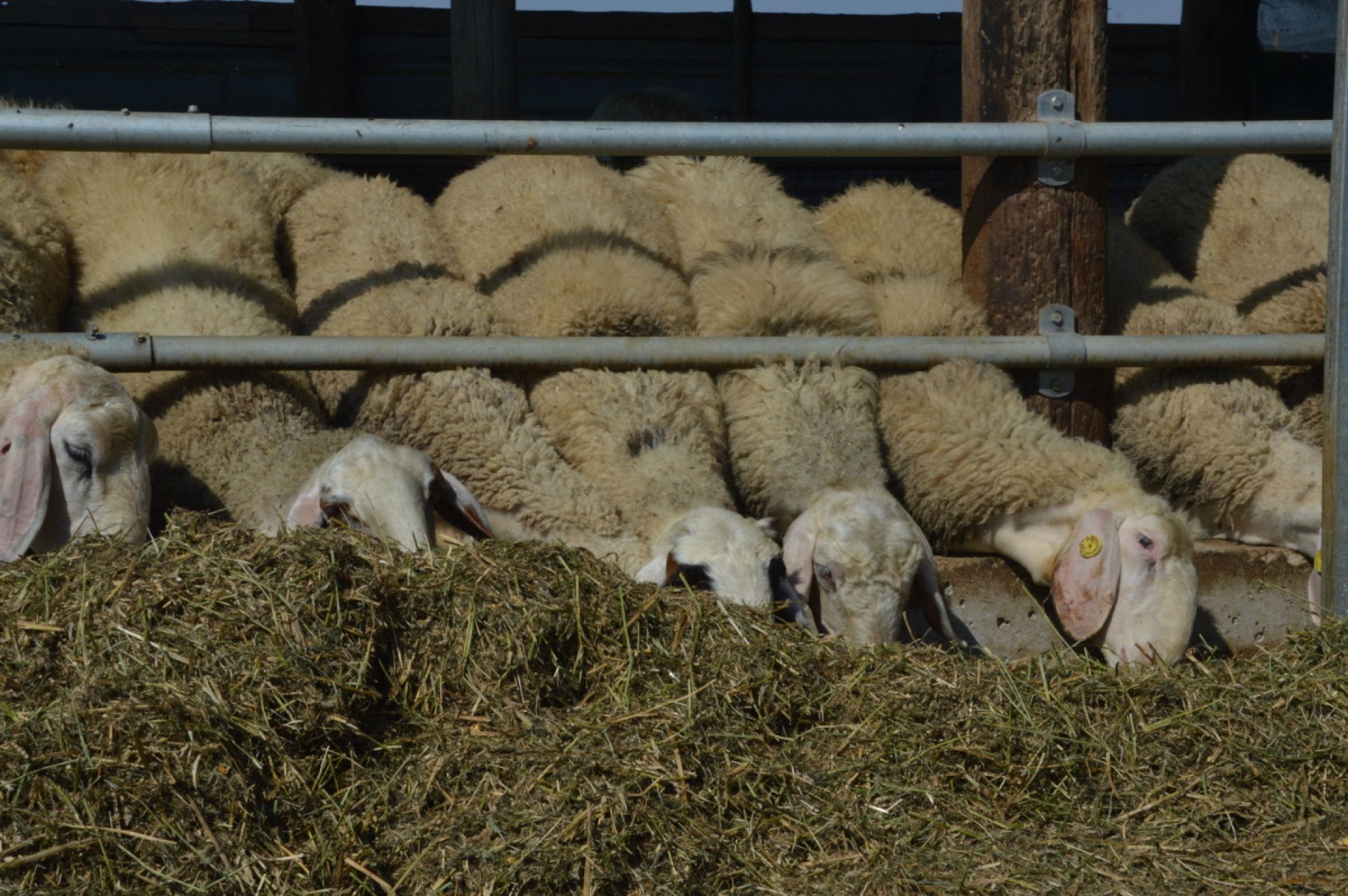
The project focused on honey and bee products, olives and olive oil, medicinal and aromatic plants, beans, fruit, petimezi (sugar cane molasses), peppers and animal products (from goats, sheep and cattle). These products were selected due to their origin in areas traversed by TAP, their distinct and competitive characteristics, and their potential growth and marketability.
The THRIVING LAND initiative is part of TAP's €32 mil. Social and Environmental Investments programme that TAP implements across the areas traversed by the pipeline. More than 700 individuals directly benefited from the project, while it is also expected to create multiple further benefits for agricultural communities in Northern Greece, as it:
- fosters cooperation between producers and scientists
- promotes local products
- identifies the unique characteristics of these products, creates their genetic “identity” and thus allows for their authentication, certification and traceability
- makes available all pertinent scientific data to any interested party.
The project was supervised by the Bodossaki Foundation, and implemented by the American Farm School of Thessaloniki (AFS) and the Institute of Applied Biosciences (INAB) of the Centre for Research and Technology Hellas (CERTH).
AFS offered educational seminars to beneficiaries, as well as personalised consultations regarding optimal cultivation methods, fertilisation, machinery, etc. INAB, on the other hand, collected samples of the products, in order to identify their particular characteristics and qualities; record the "genetic identity" of these products; and promote their added value both in Greece and abroad.