
TAP’s "THRIVING LAND" project concludes, its legacy continues

A €1million trans-regional investment project in educational and applied biotechnological activities, implemented by the American Farm School and the Centre for Research and Technology Hellas
The €1 million Trans Adriatic Pipeline (TAP) initiative "THRIVINGLAND| Supporting Agri-food Education" concludes three years after its launch, leaving an important legacy for the further growth of the agri-food section in Greece. THRIVINGLANDwas developed in collaboration with the Bodossaki Foundation that also undertook the project management, while the American Farm School (AFS) and the Institute of Applied Biosciences (INAB) of the Centre for Research and Technology Hellas (CERTH) were the project’s implementation partners.
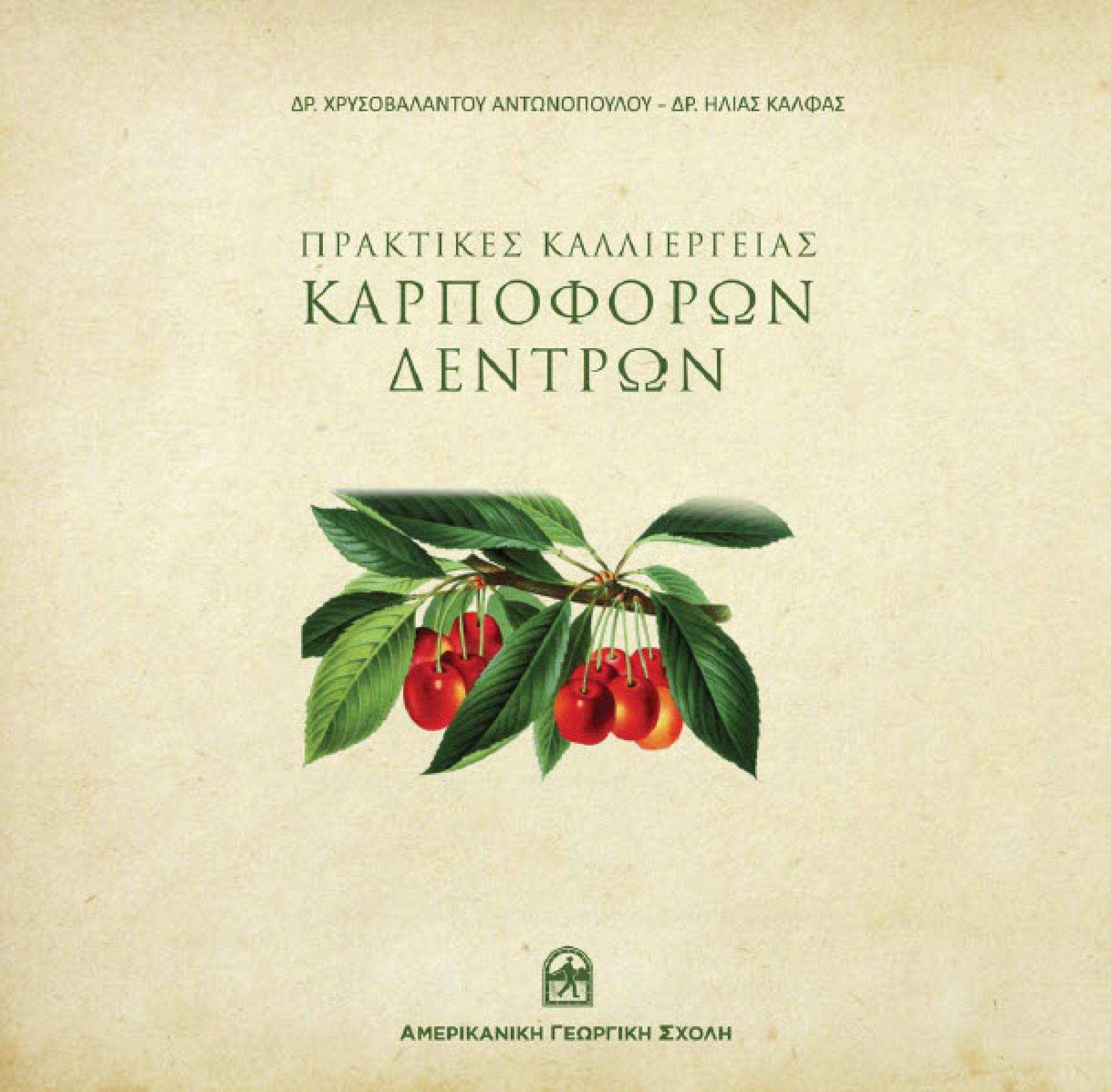
Thriving Land brochure
The project is part of TAP’s extensive Social and Environmental Investments (SEI) programme and was implemented across the three northern Greek regions traversed by the pipeline – Eastern Macedonia-Thrace, Central Macedonia, and Western Macedonia. Its objective was to support agriculture and stockbreeding, both significant sectors for the Greek economy – especially in northern Greece. Contemporary agricultural methods, as well as scientific methods of genetic identification and marketing, were used for the implementation of the project.
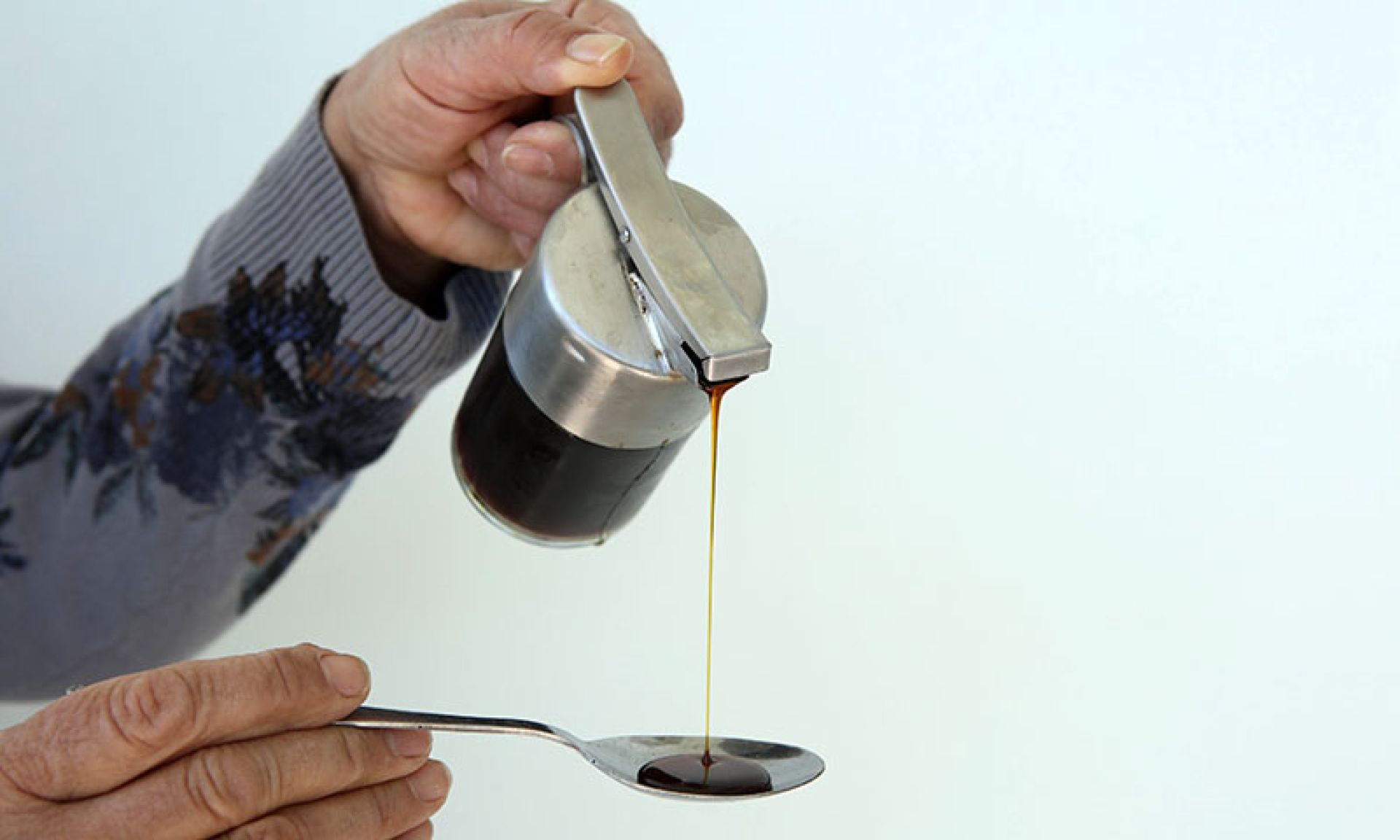
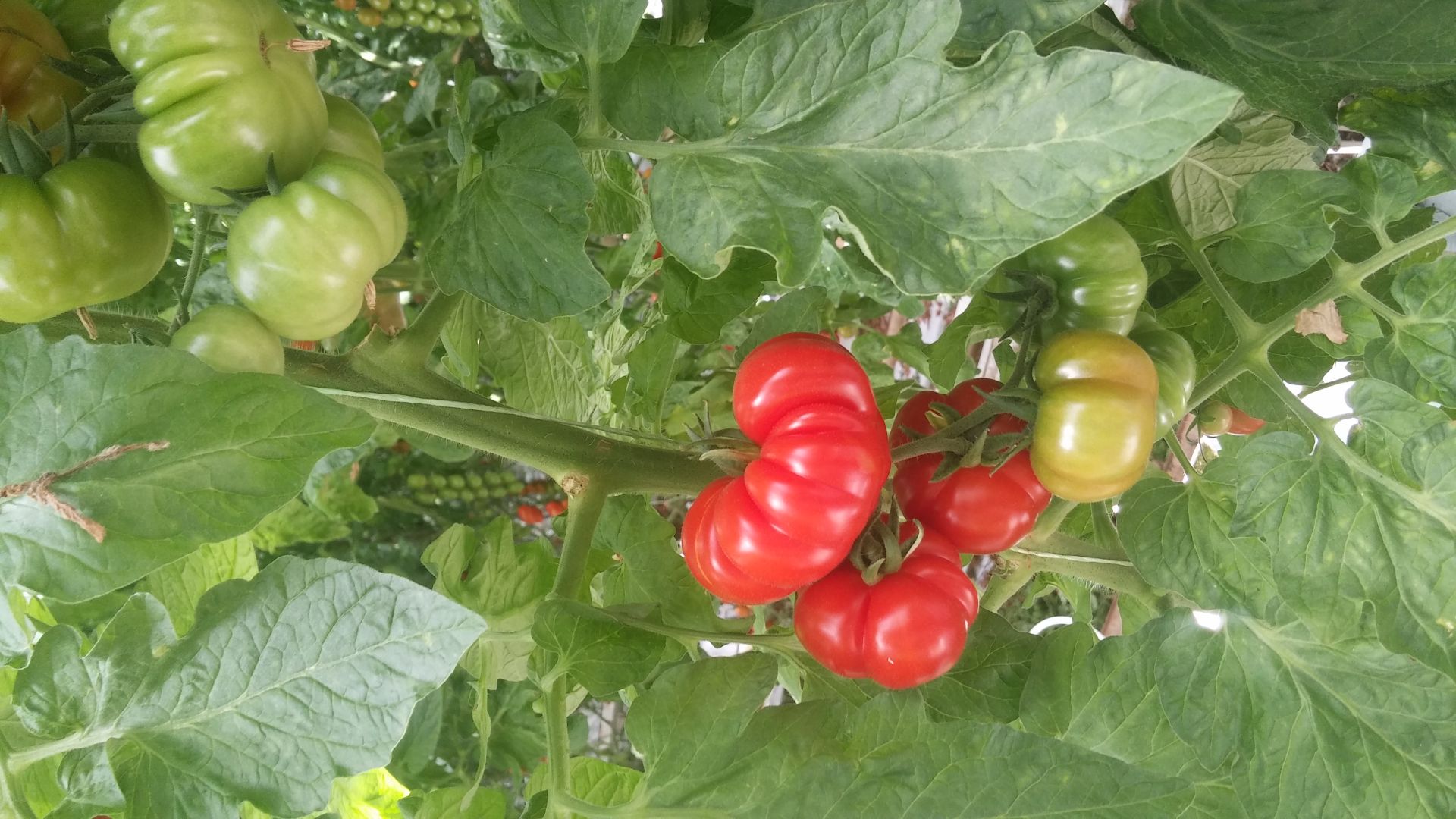
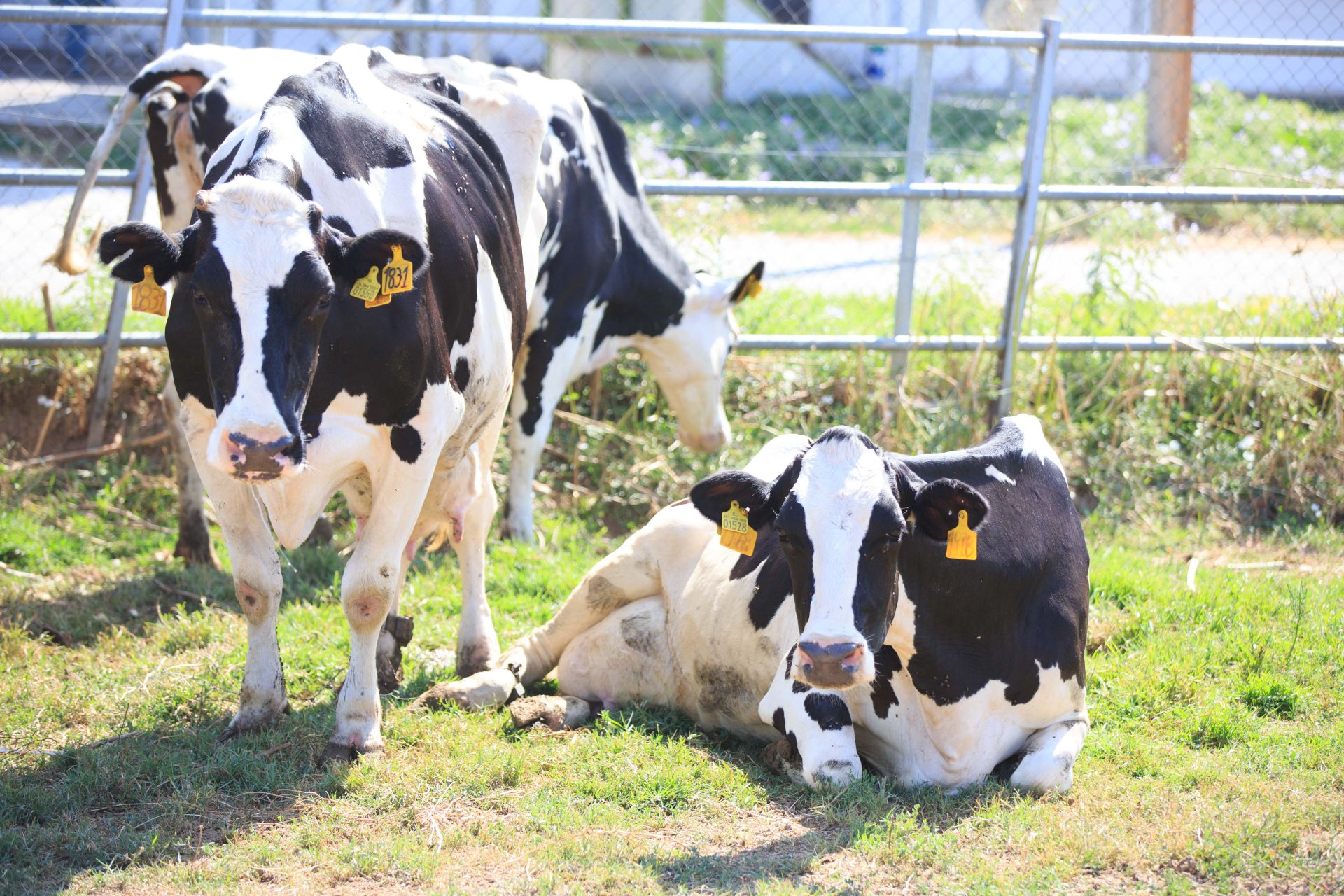
The THRIVING LAND project focused on 8 local products, selected for their unique characteristics and potential: honey and bee products, olives and olive oil, medicinal and aromatic plants, beans, fruit, "petimezi" (sugar cane molasses), peppers, and livestock products. The key goal of all collaborating partners was, upon the completion of the project, for these selected products to become "ambassadors" of their respective areas. A vision that renders this initiative both pioneering and innovative, regarding regional growth and the agricultural sector in Greece.
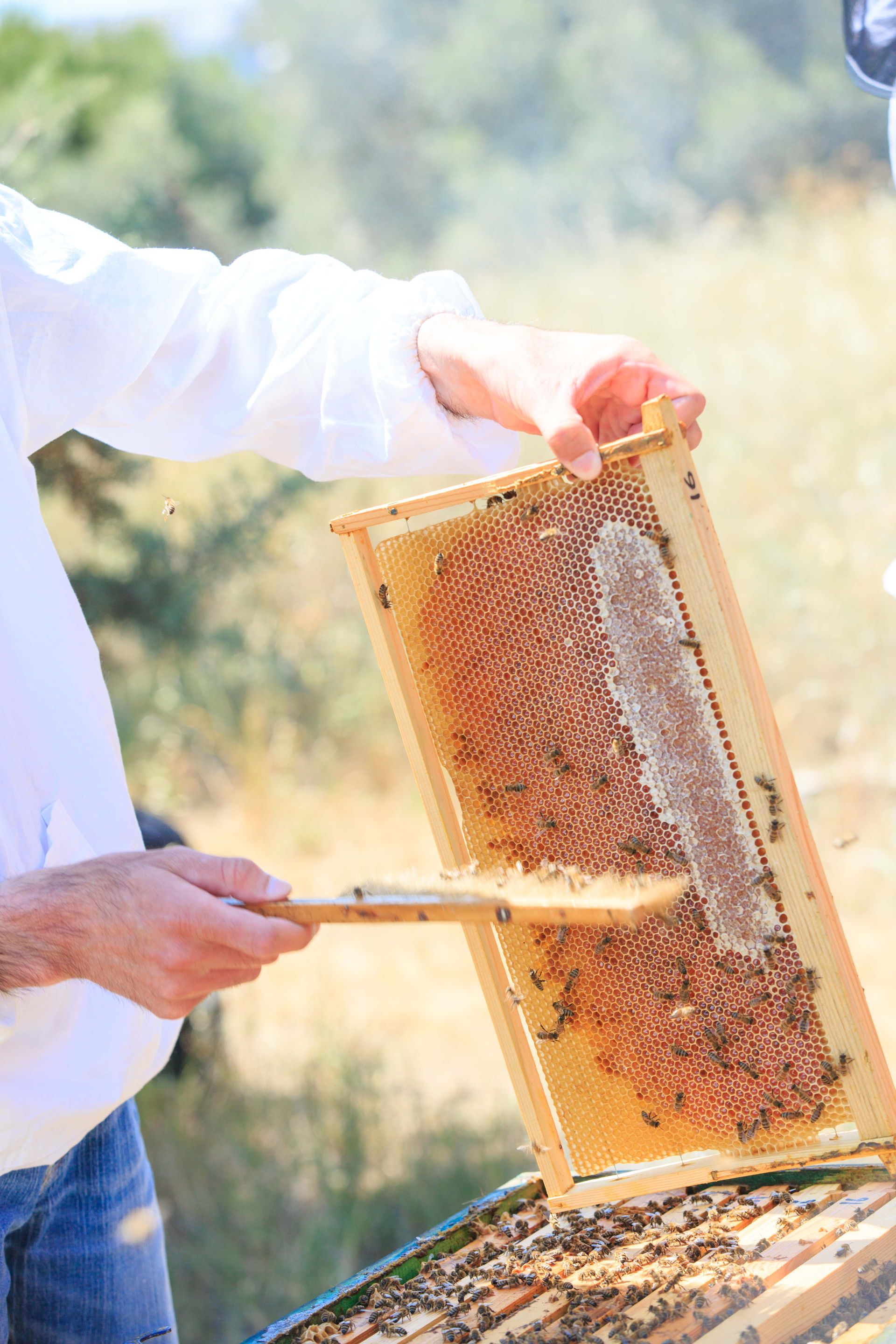
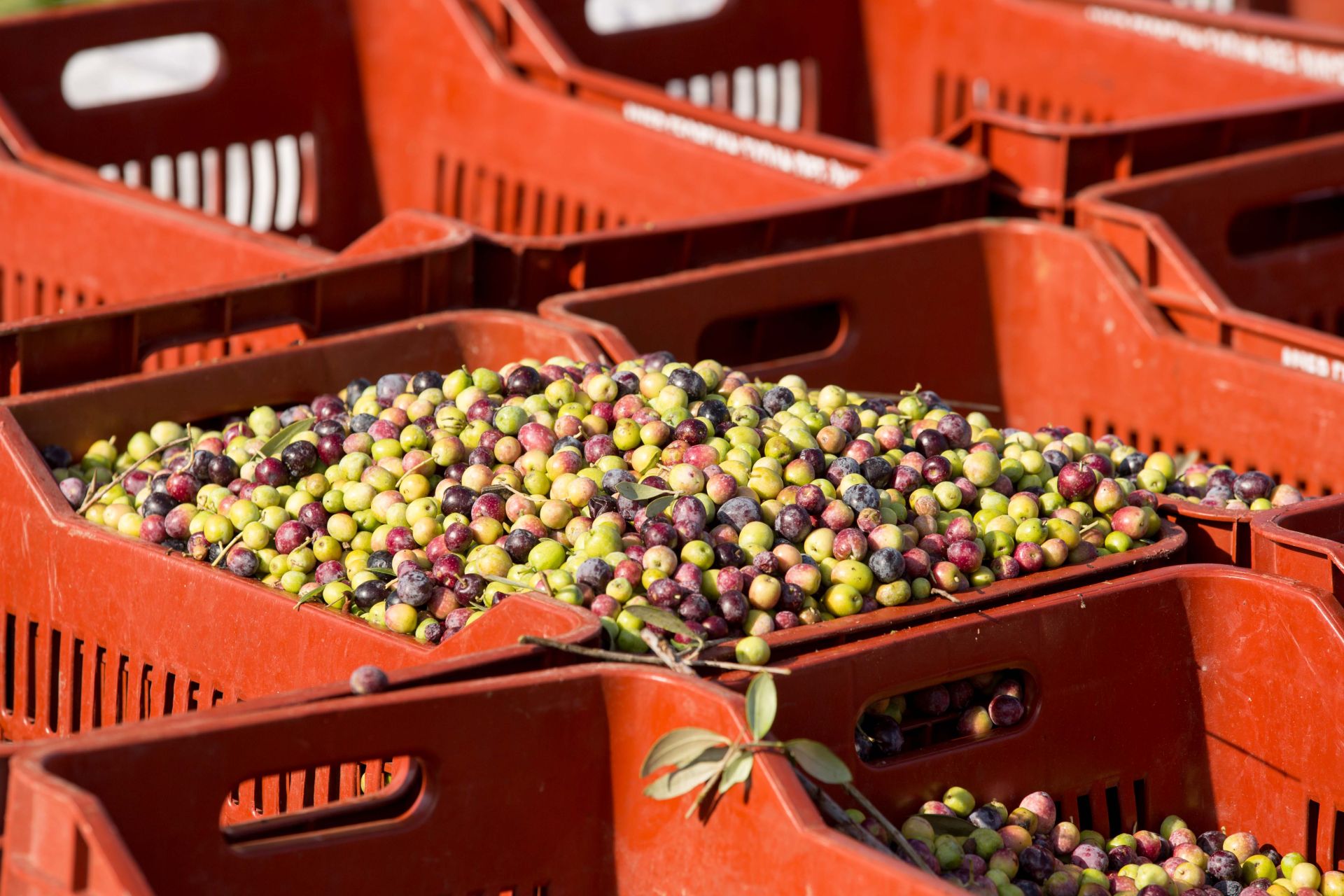
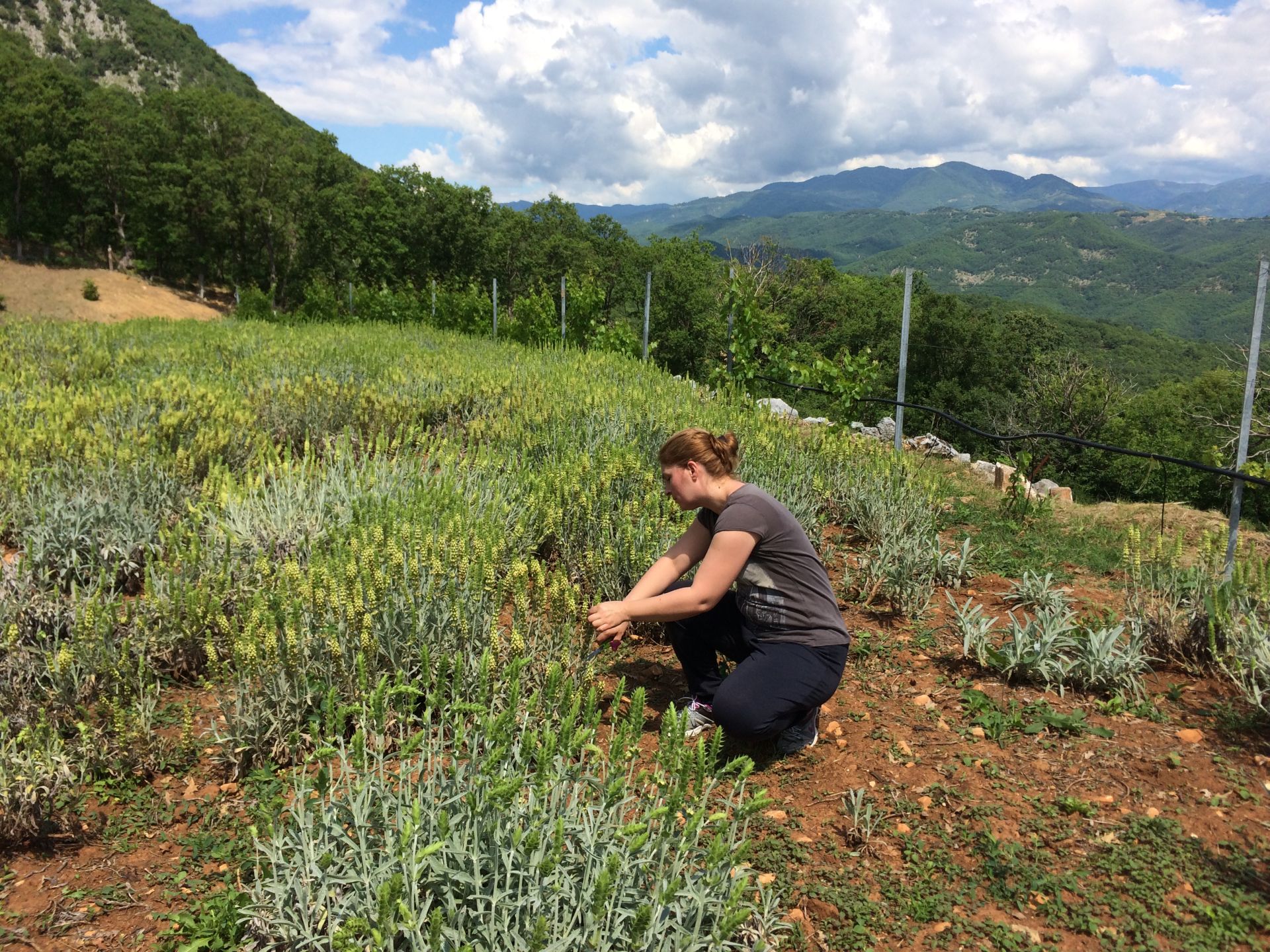
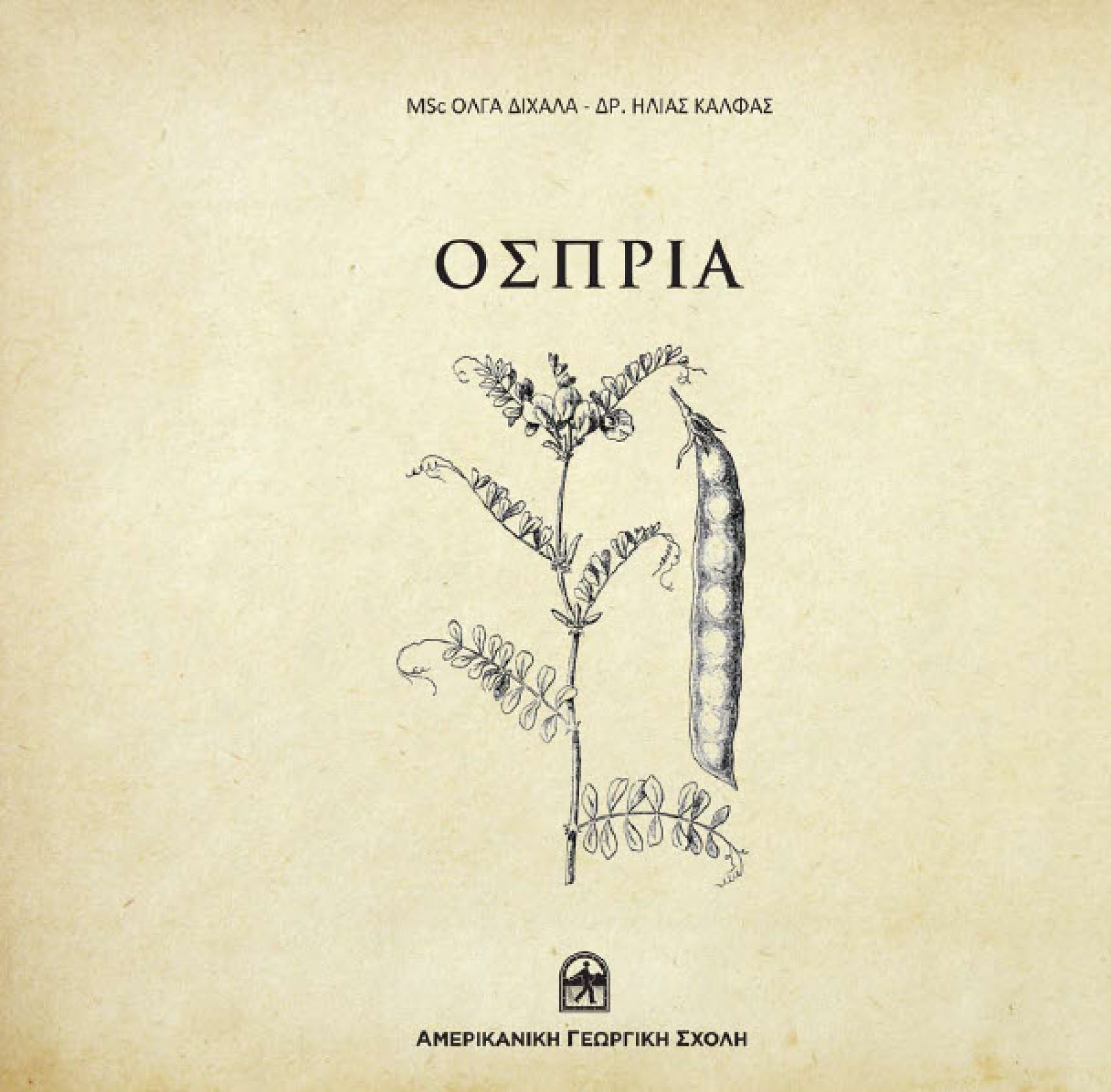
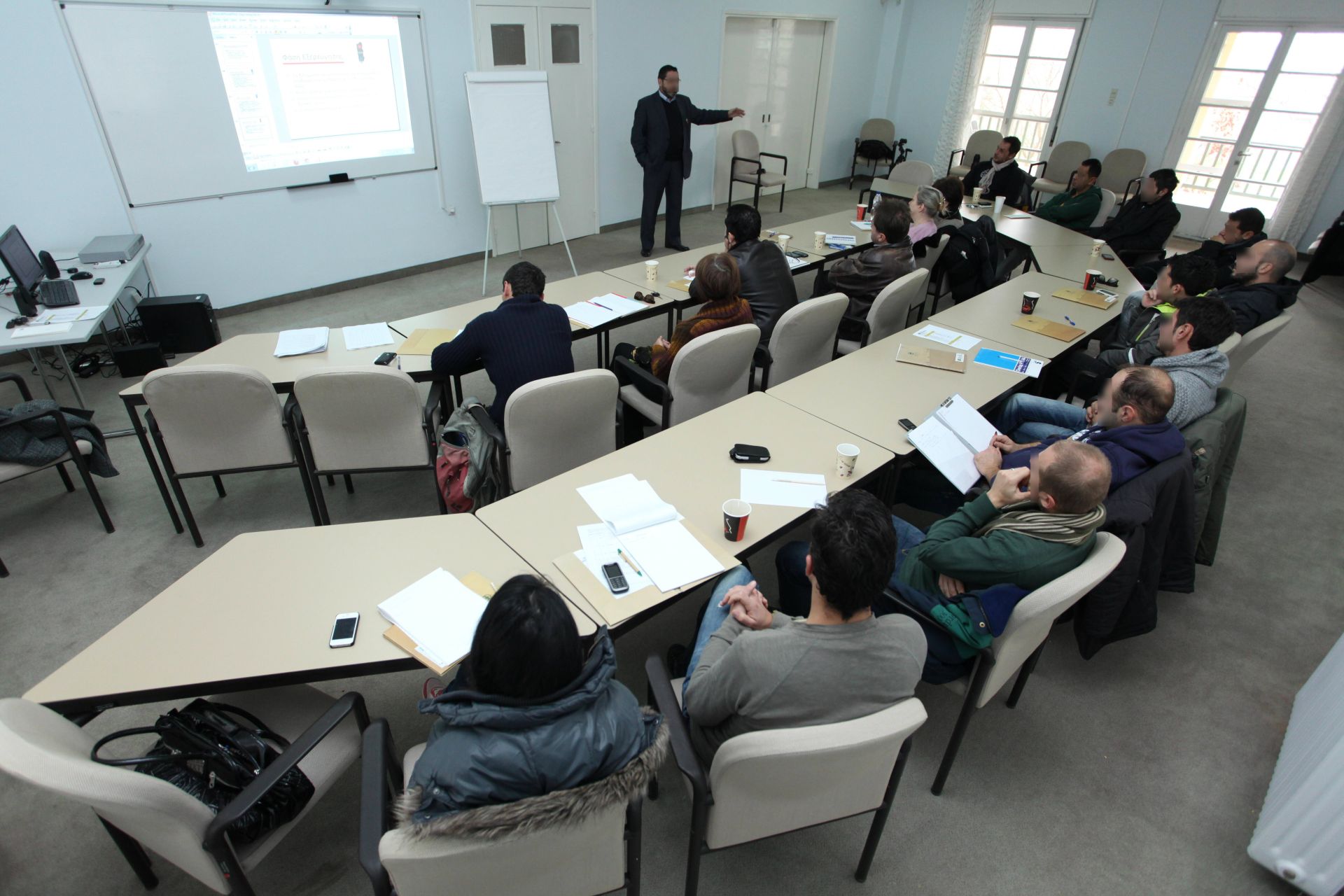


The project was designed and implemented on two levels – the educational/consulting one and the genetic and biochemical one. With regard to the former, the American Farm School offered to more than 700 participants comprehensive educational trainings, as well as personalised consultations on optimal cultivation methods, product processing, as well as basic principles of marketing and advertising.
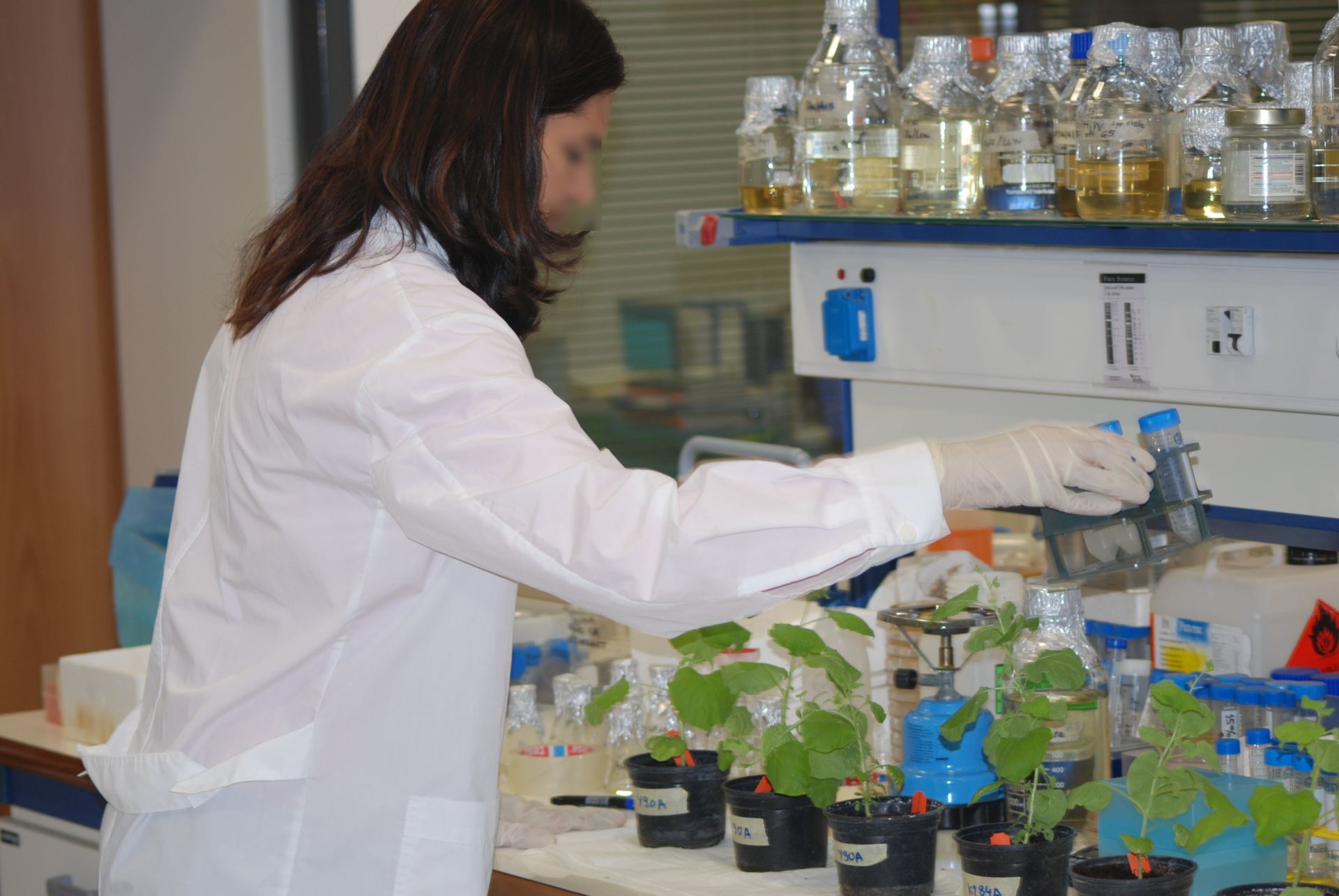
INAB, on its part, applied cutting-edge technology from the scientific fields of genetics and biochemistry and analysed hundreds of product samples, identifying their distinct characteristics and qualities. This way, the scientists created a "genetic identity" that highlights the quality characteristics of these products, while also supporting their added value – both in Greece and abroad.
In addition, during the implementation of the project a cutting-edge telecommunication system was also installed, based on LoRa (Long Range) technology. Specifically, the American Farm School installed base antennas (gateways) and sensors on primary production facilities in areas traversed by the TAP pipeline, offering digital interconnection and remote monitoring of land parcels, livestock units, manufacturing facilities and vehicles. This network can provide local producers free information, in real time, on the soil and climate conditions of their land, thus significantly contributing to the digital transformation of Greek agriculture. With the potential to support more than 30,000 interconnected devices, this system is an important step forward and a true legacy to all those involved in the agri-food and supply chain.
This agri-food project was named THRIVING LAND, as a tribute to the fertile soil of northern Greece. Its completion closed a circle, but also leaves an important legacy, as THRIVING LAND is expected to bring multiple benefits across the areas it was implemented: because the project equipped local producers with innovative knowledge and technological means that will allow them to stay in their native land and thrive there, thus paving new ways and potential for the Greek agri-food sector; and it also created a bridge of communication and exchange of knowledge between producers and scientists, highlighting the unique characteristics of local products and connecting agricultural production to tourism.


