
TAP Excavations Unearth New Archaeological Sites & Significant Findings in Greece
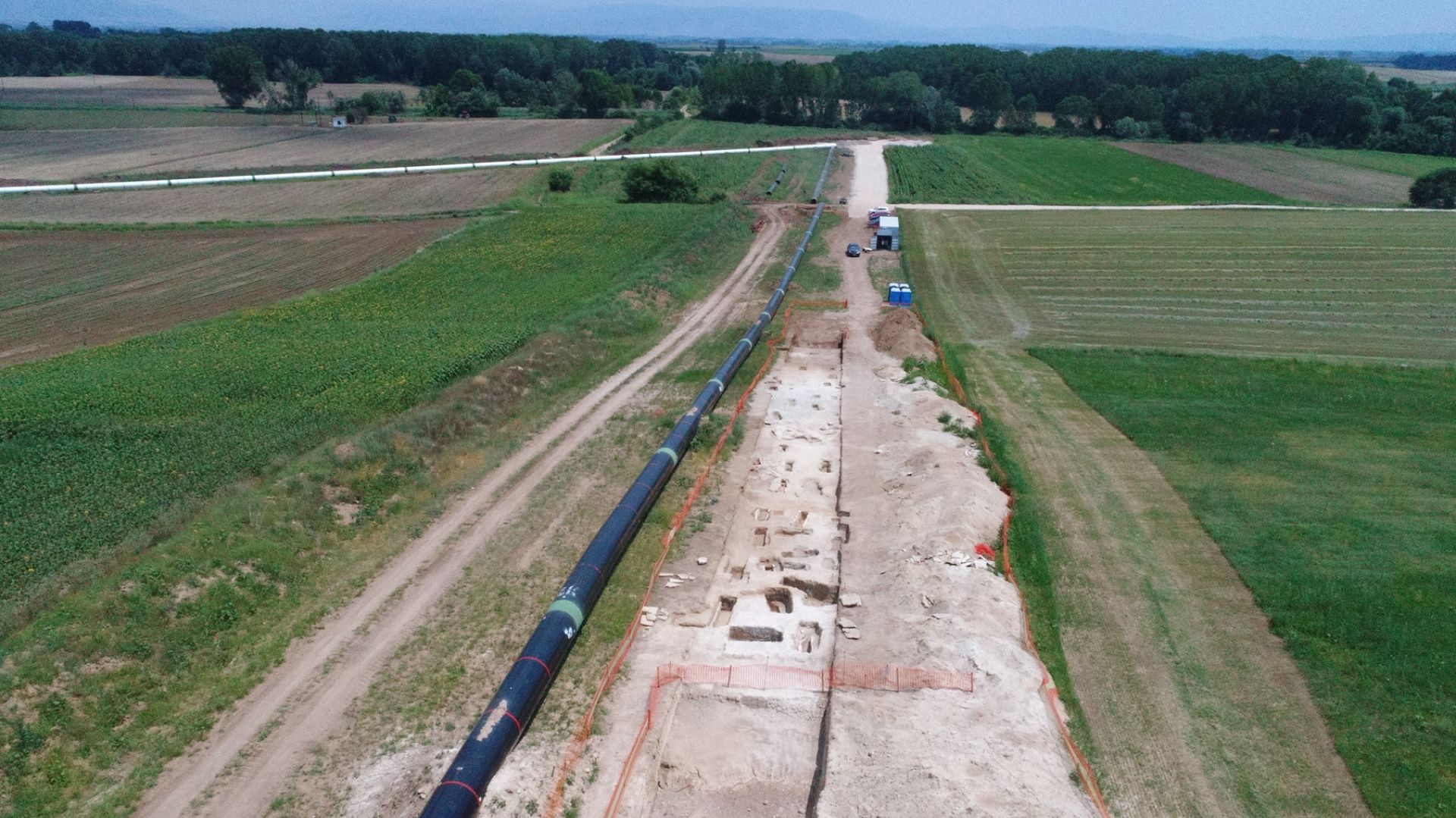
Archaeological remnants of human activity in Central Macedonia from the Prehistoric to the Byzantine period have been brought to light in archaeological excavations, carried out in the context of construction works for TAP. The work has been undertaken by archaeologists, who are employed in the area by the TAP project and monitored by the local Ephorates of Antiquities (of Thessaloniki, Kilkis and Serres), as well as the Ministry of Culture and Sports.
Region of Central Macedonia, Greece. Archaeological remnants of human activity in Central Macedonia from the Prehistoric to the Byzantine period have been brought to light in archaeological excavations, carried out in the context of construction works for the Trans Adriatic Pipeline (TAP) AG.
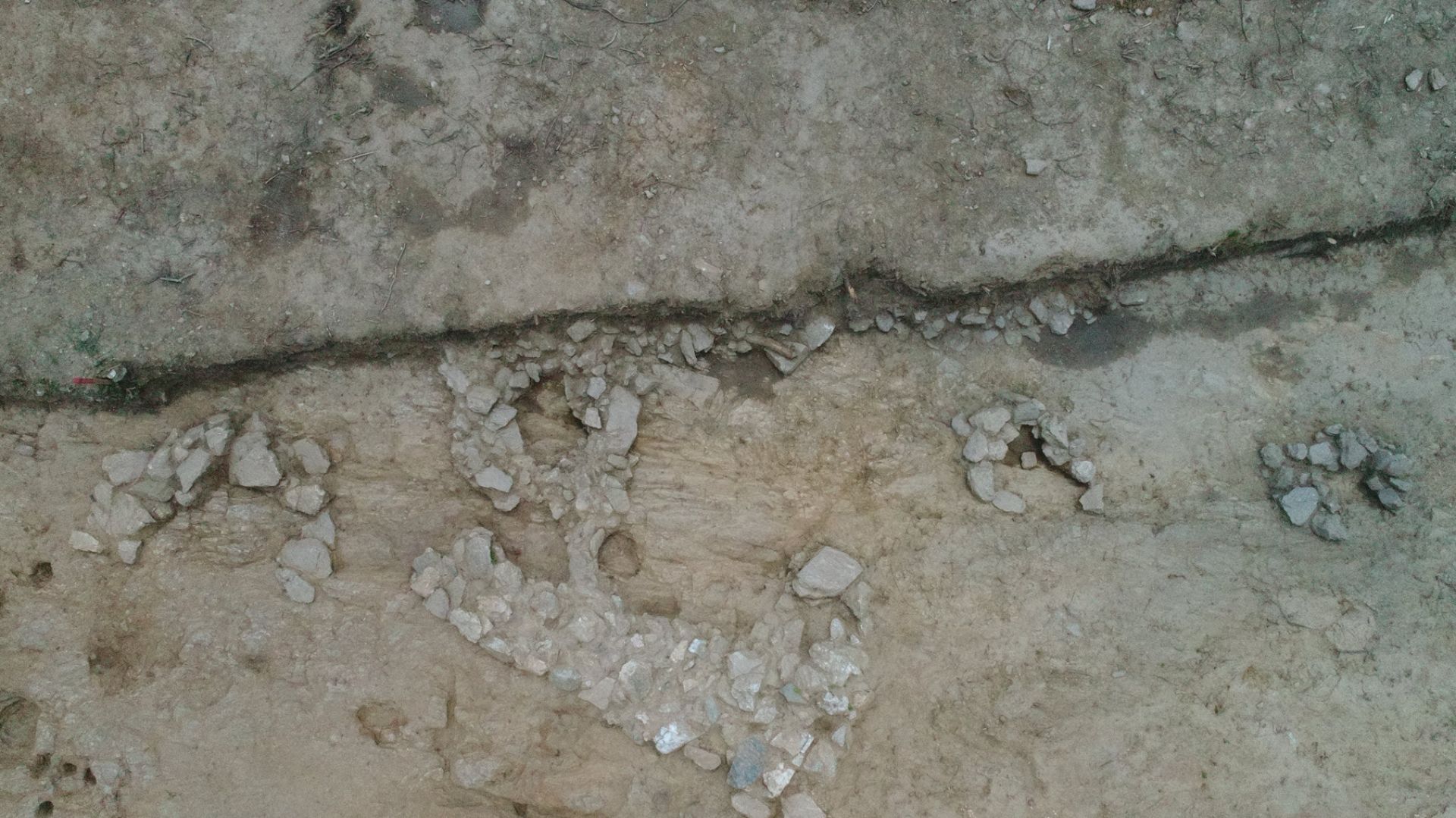
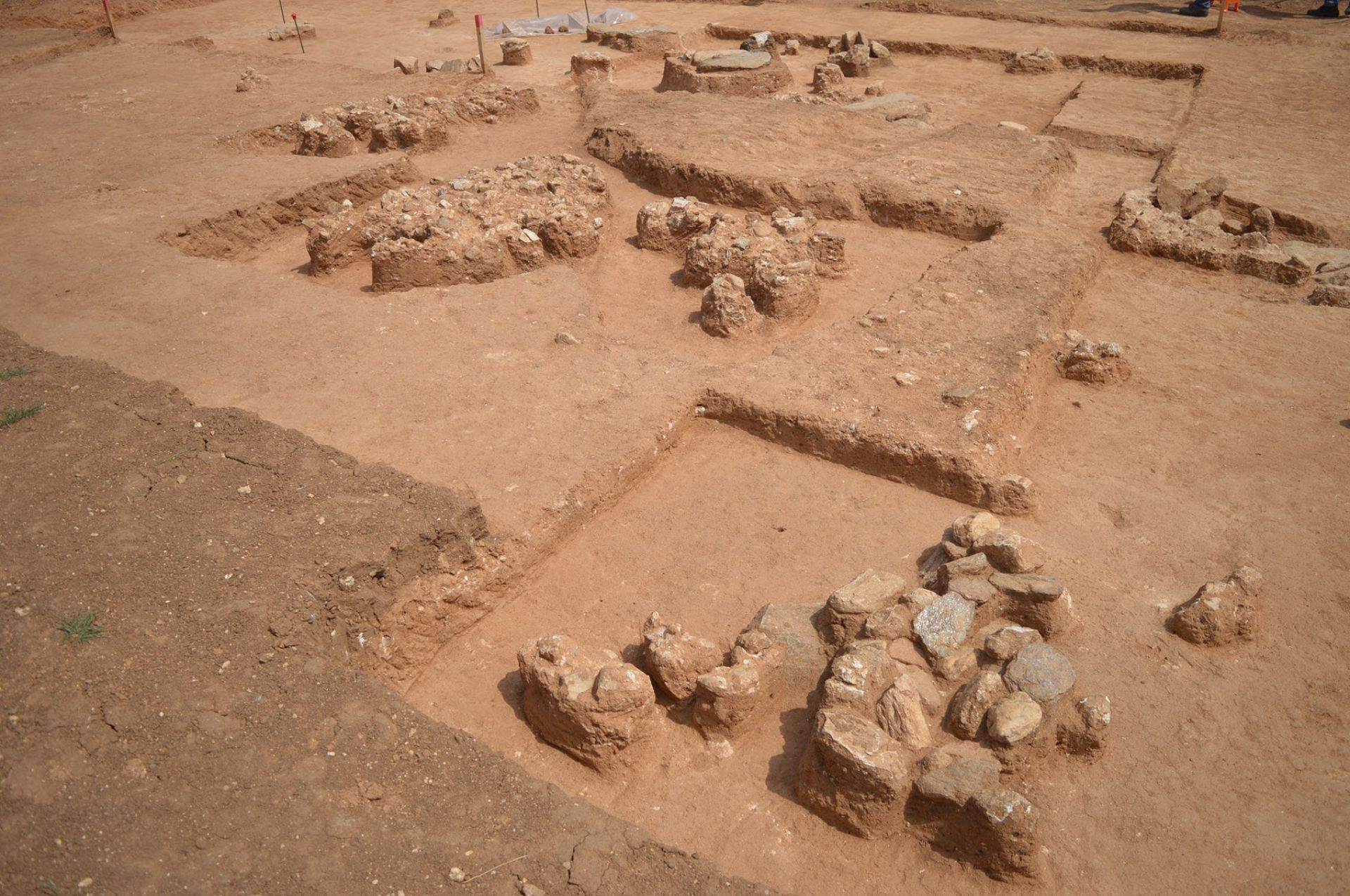
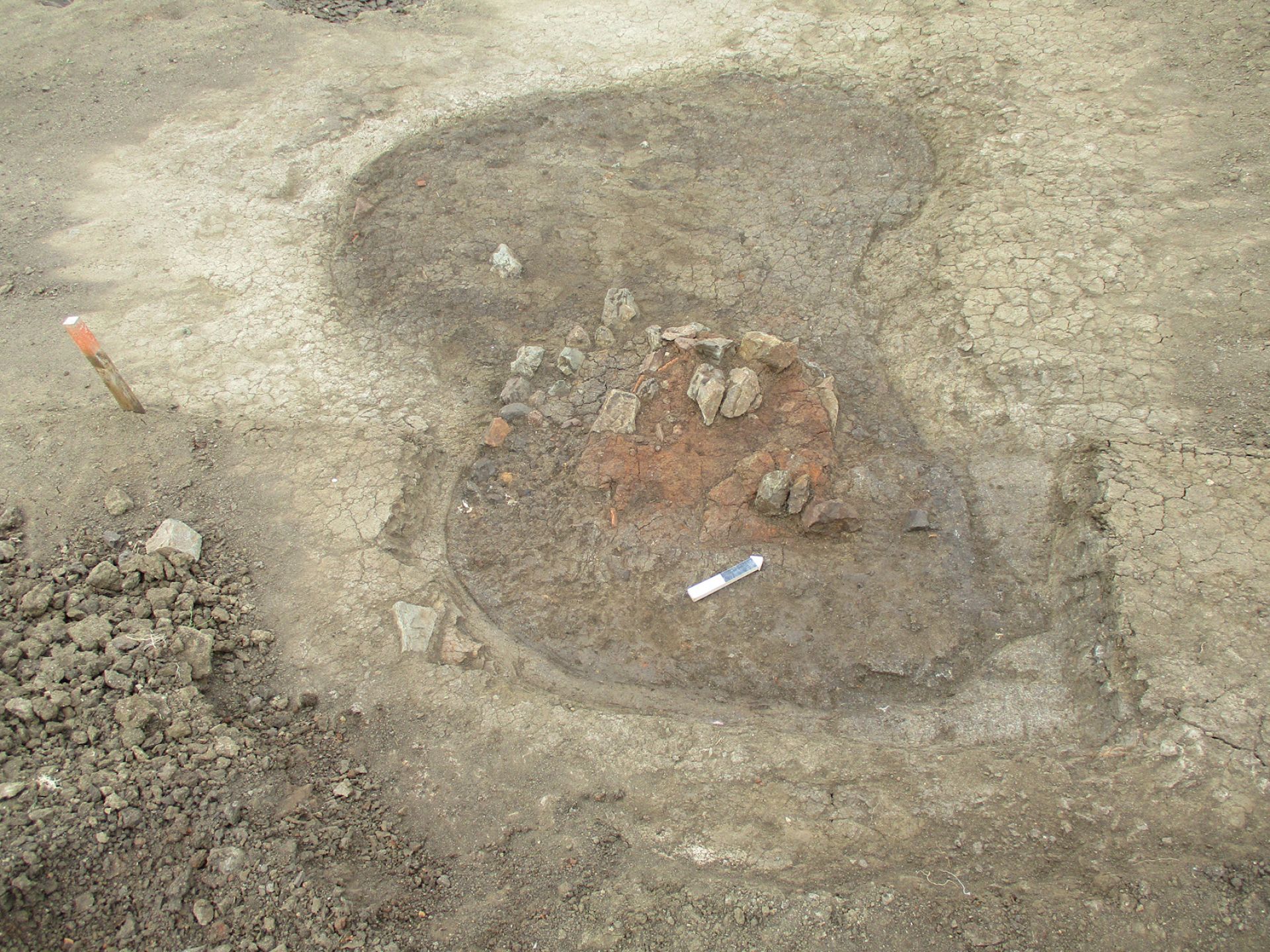
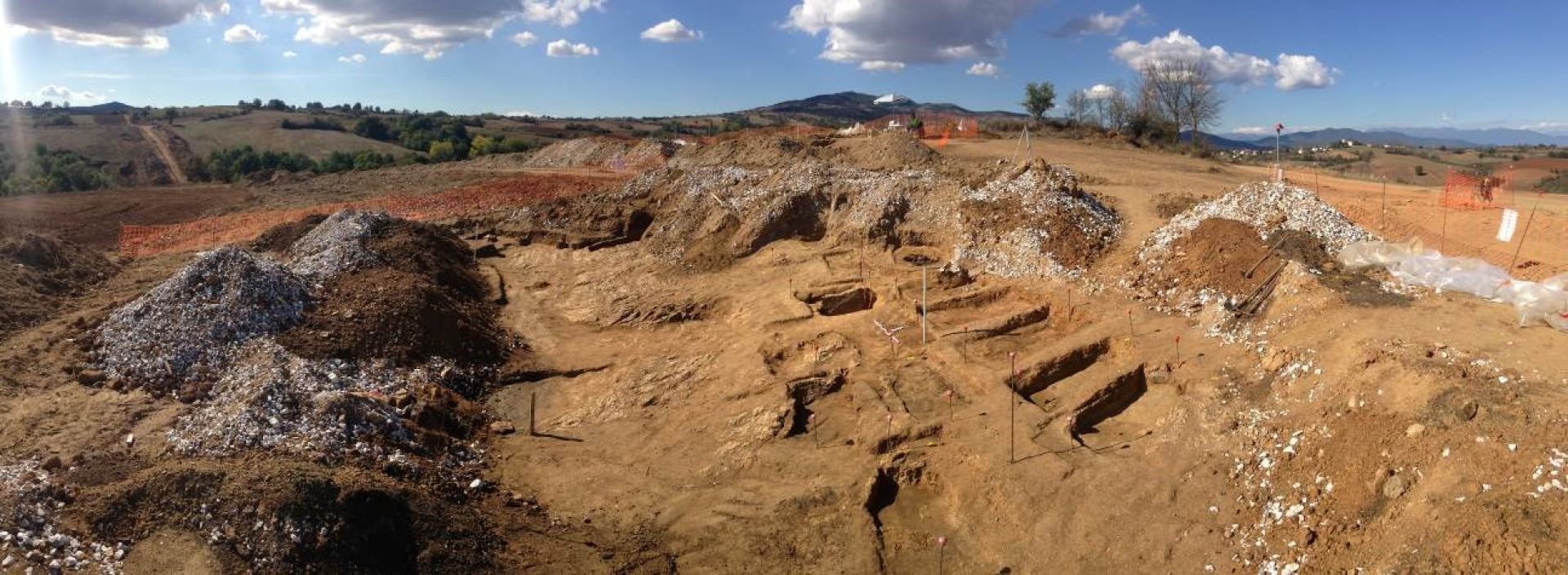
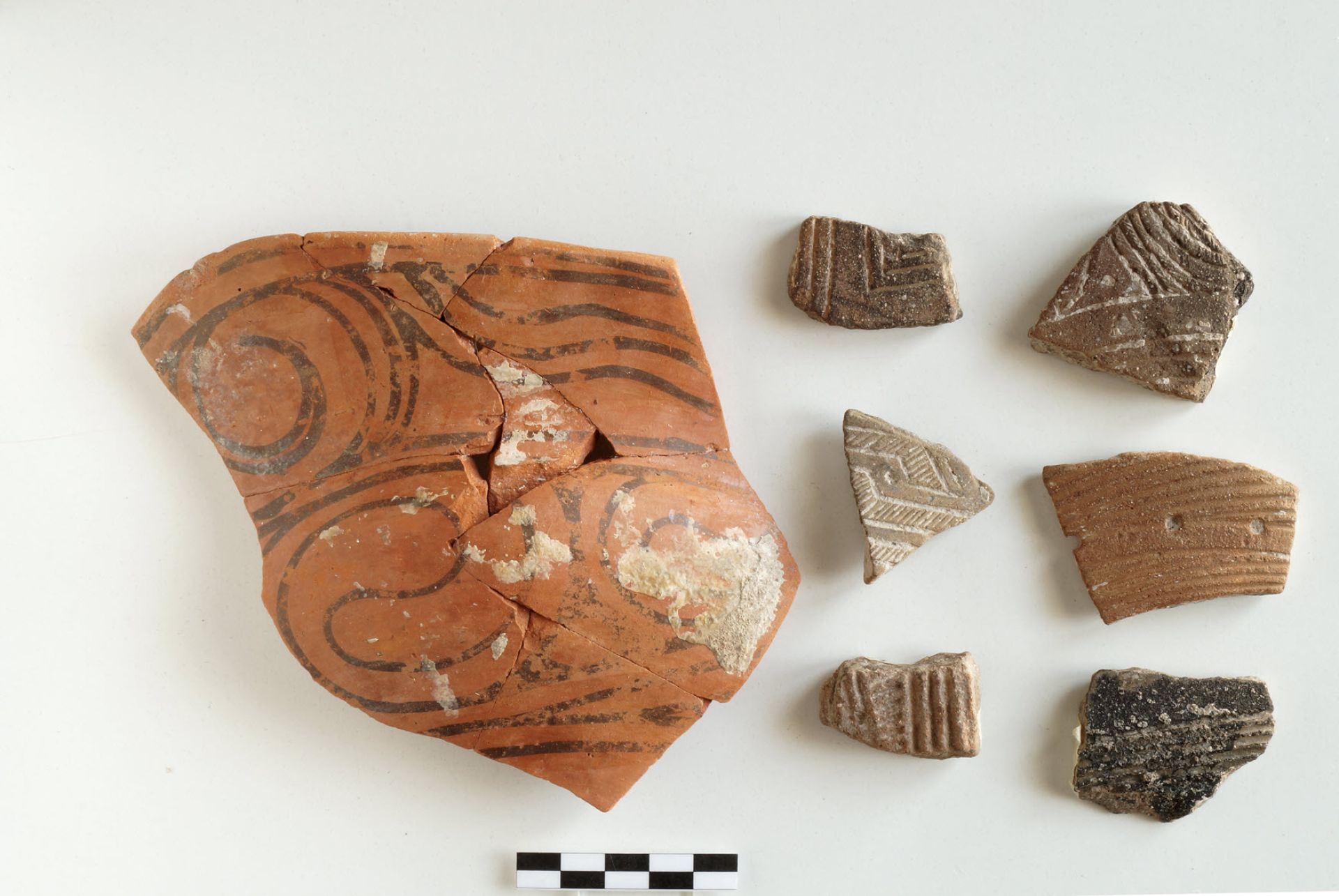
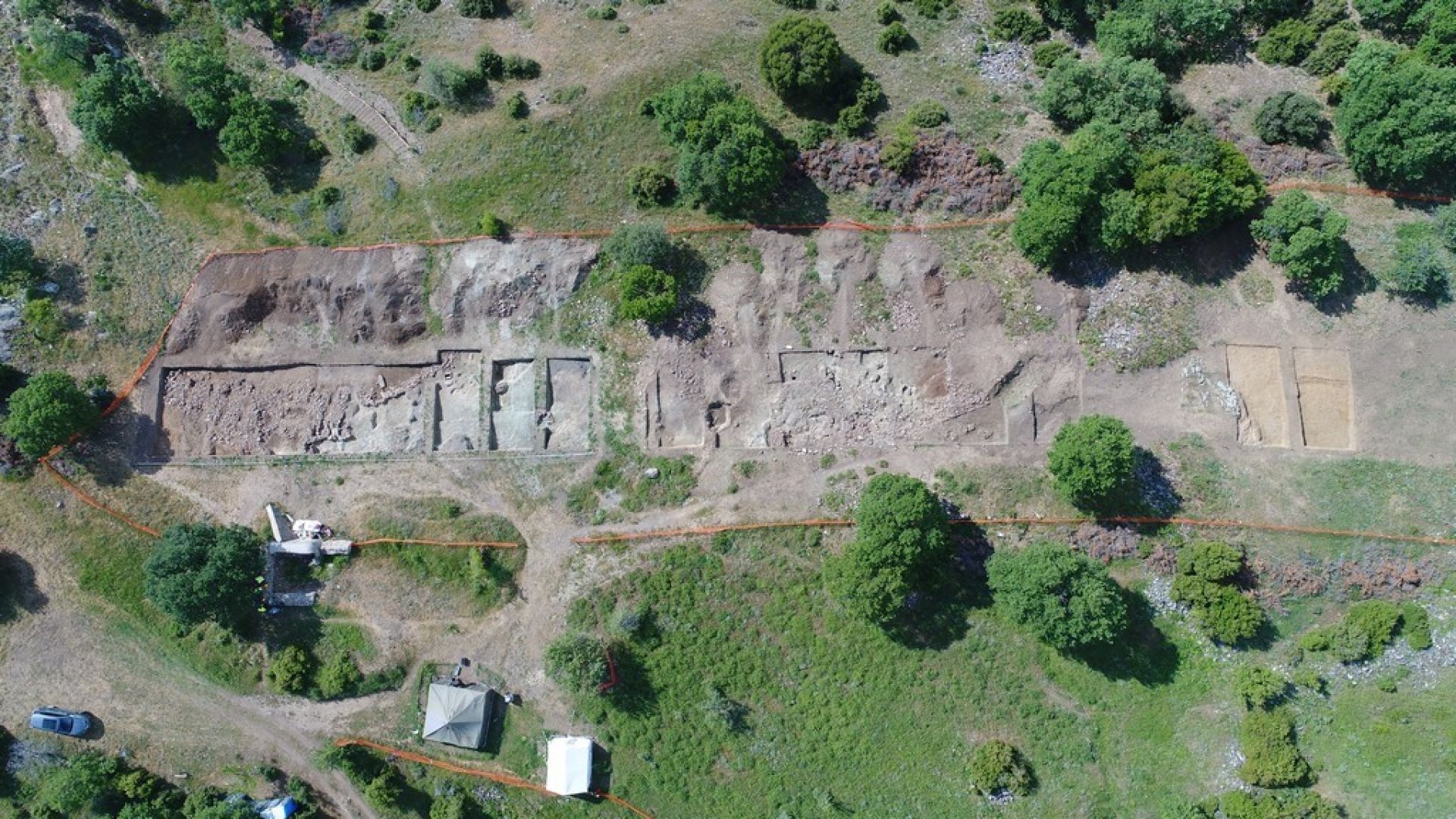


The work has been undertaken by archaeologists, who are employed in the area by the TAP project and monitored by the local Ephorates of Antiquities (of Thessaloniki, Kilkis and Serres), as well as the Ministry of Culture and Sports.
Thessaloniki Regional Unit: Many new archaeological sites
Starting off from the largest Regional Unit, and specifically the Municipalities of Langadas and Oraiokastro, archaeological works focused on an area extending from the Evangelistria district to Pentalofos and the River Gallikos. Thanks to these excavations, many archaeological sites were unearthed –particularly in the mountainous areas– that had remained unexplored to date. The Ephorate of Antiquities, under its head, Maria Tsiapali, and the archaeologist in charge, Anna Panti, singled out the most significant findings:
- Two ashlar-built graves in Evangelistria (in a poor condition).
- Ruins of a Roman building, between Lachanas and Evangelistria
- Two unadorned graves in the Karteres area
- Remnants of Roman artisan workshops for the processing of leather or wool, north-west of Karteres
- Findings in the Assiros area:
- a waste-disposal pit dating from the late Bronze Age (ca. 1,600-1,125)
- pit from the Hellenistic period (4th-1st century BC)
- part of a late Roman building
- early Christian graveyard (4th-7th century AD)
- Part of a late-Roman graveyard in the Drymos area
- Prehistoric settlement with two phases of habitation in Pentalofos
Kilkis Regional Unit: Investigation of 100 burial constructions and sites
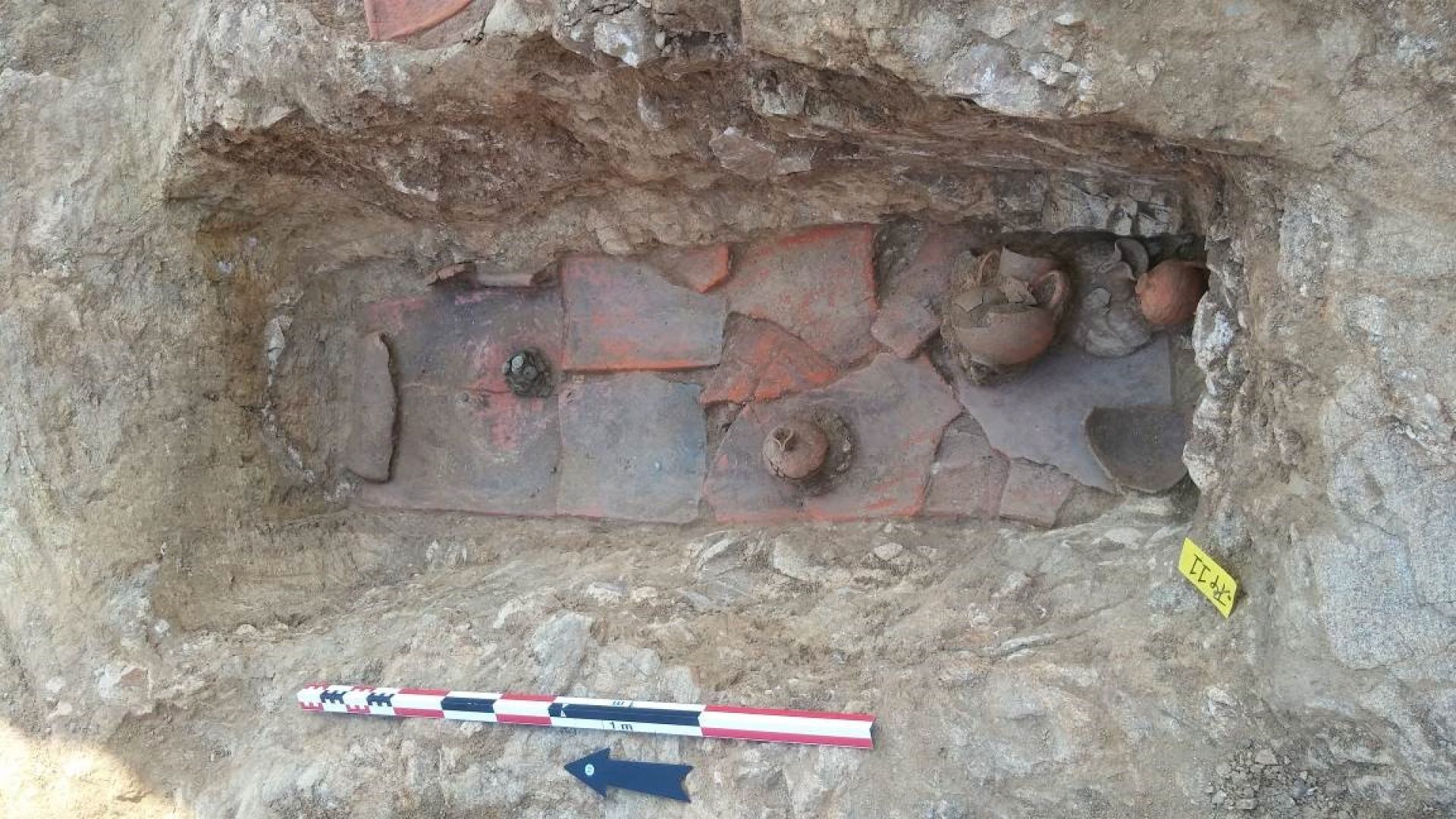
Anastasios Keramaris, archaeologist at the Ministry of Culture and Sports in charge of the excavations carried out in Kilkis, described the unearthing of sites of archaeological interest during the preliminary construction works for TAP as "unexpected". Excavations in the area focused on the "Theodosia" and "Isoma" sites, where parts of two organised Roman gravesites were found, as well as traces of buildings – possibly from the same chronological period.
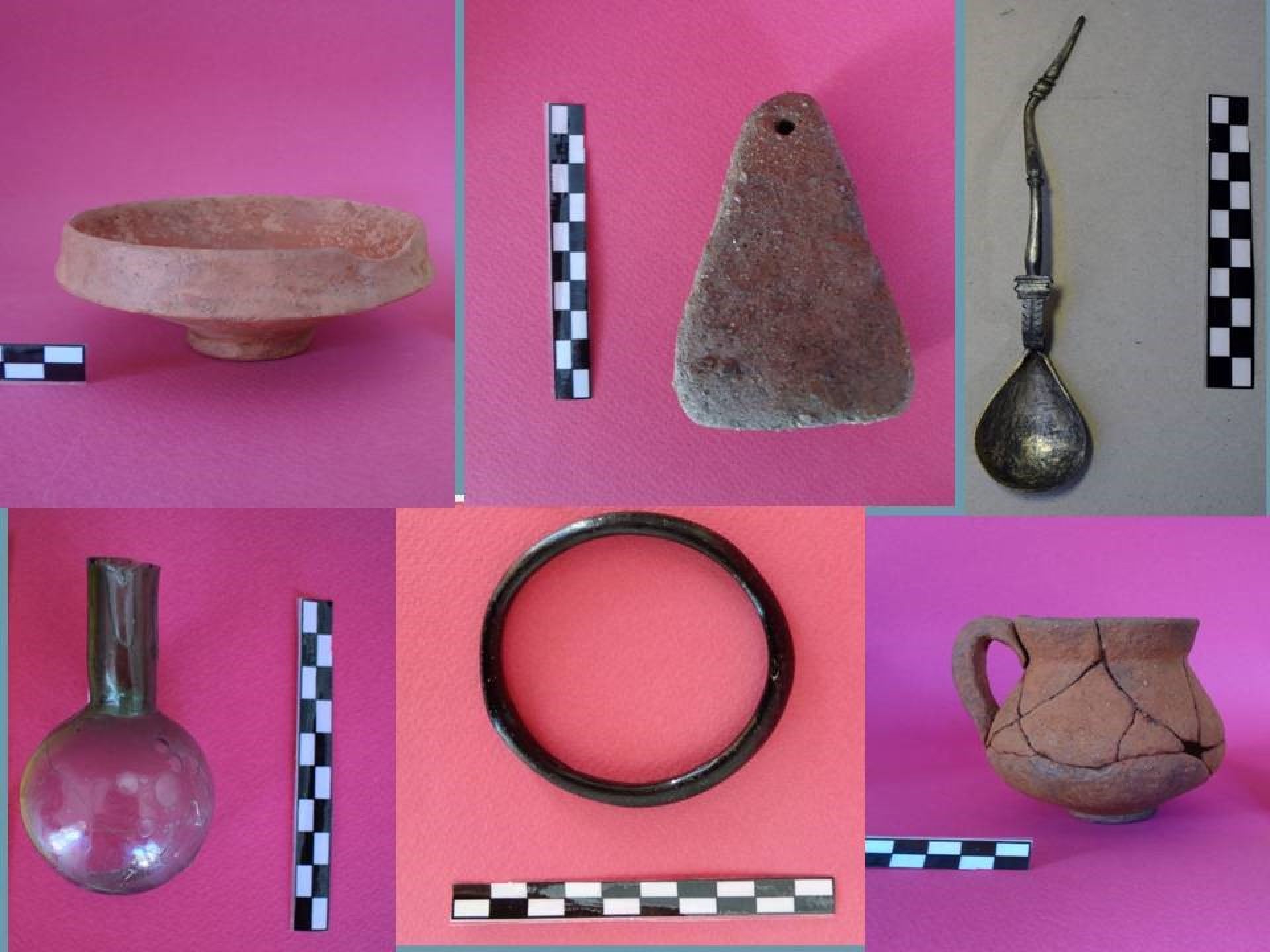
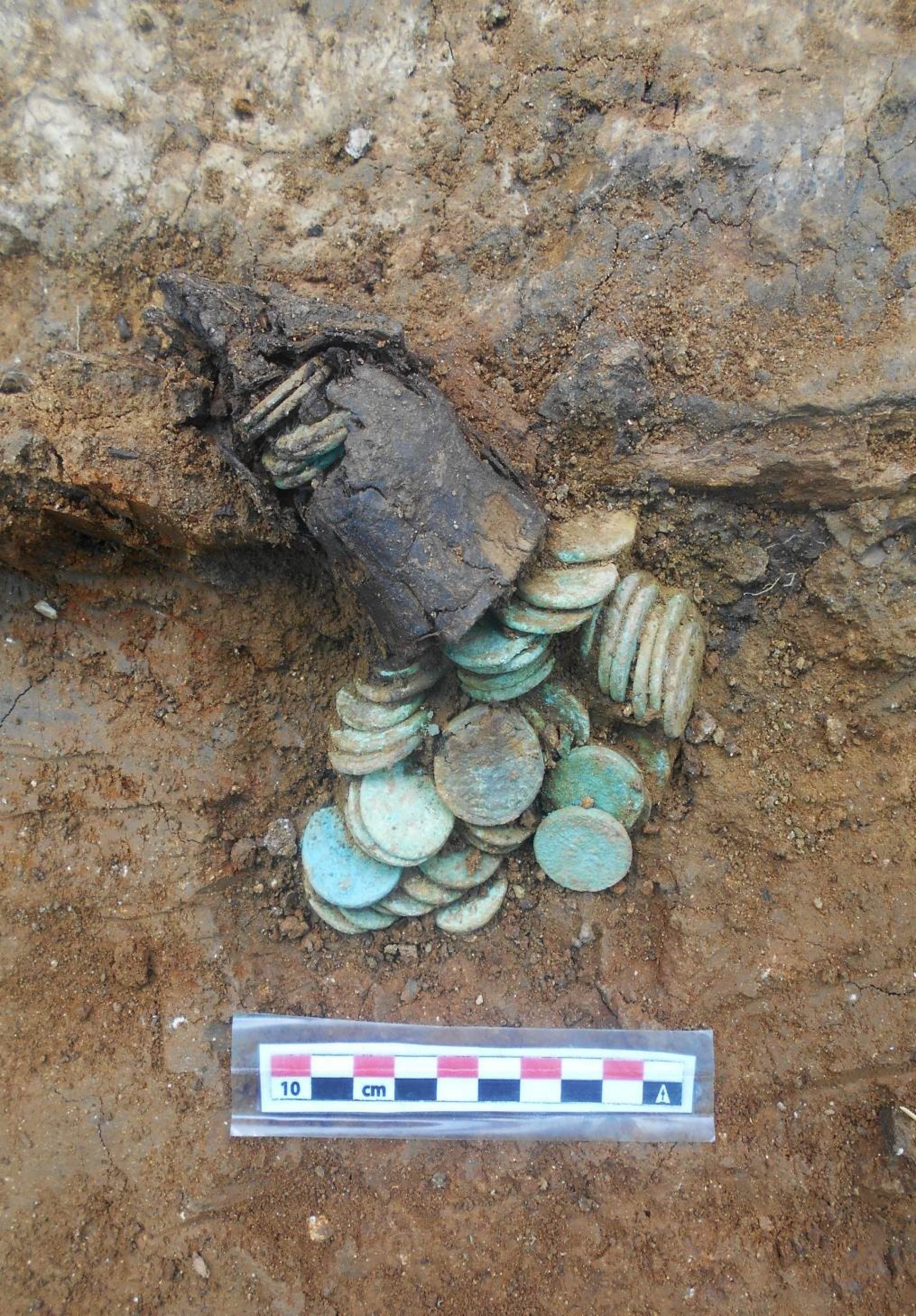
In total, 48 burial sites were investigated in "Theodosia" and another 43 in "Isoma." Several grave goods, accompanying the deceased on their final journey, also came to light in the context of these excavations. These include ceramic and glass pots, clay lamps, bronze coins and some jewellery. All findings are expected to be conserved and exhibited, so as to tell the long story of the place in which they were found.