
TAP Reinstates Olive Trees & Dry Stone Walls in Italy

With the pipeline construction complete, the environmental restoration of the area affected by the installation of the onshore pipeline in southern Italy is under way. TAP’s reinstatement activities are in full swing along the 8-kilometre corridor of countryside between the micro-tunnel site, close to the coast of San Foca, and the Pipeline Receiving Terminal (PRT) in Melendugno.
Olive Trees
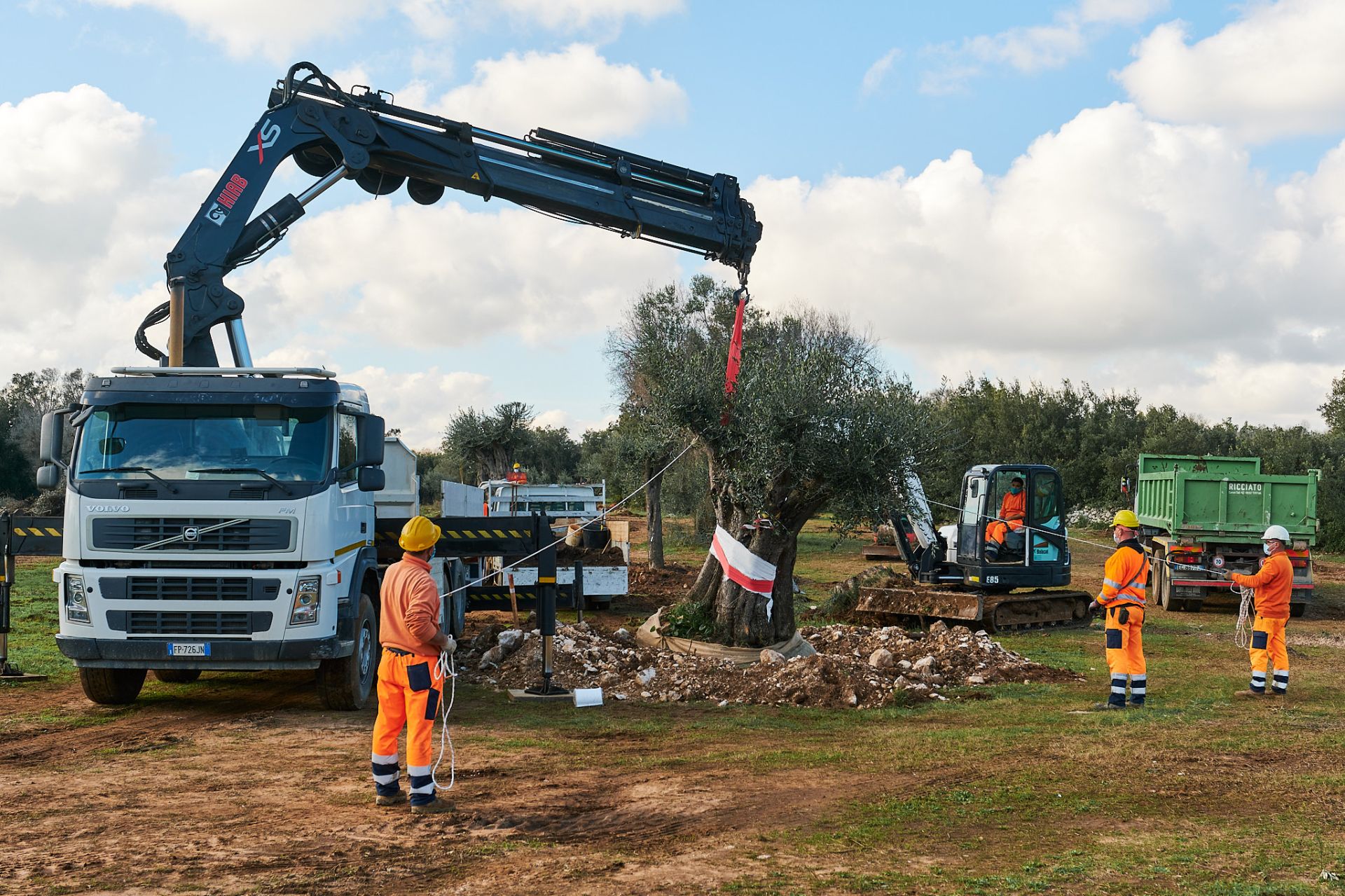
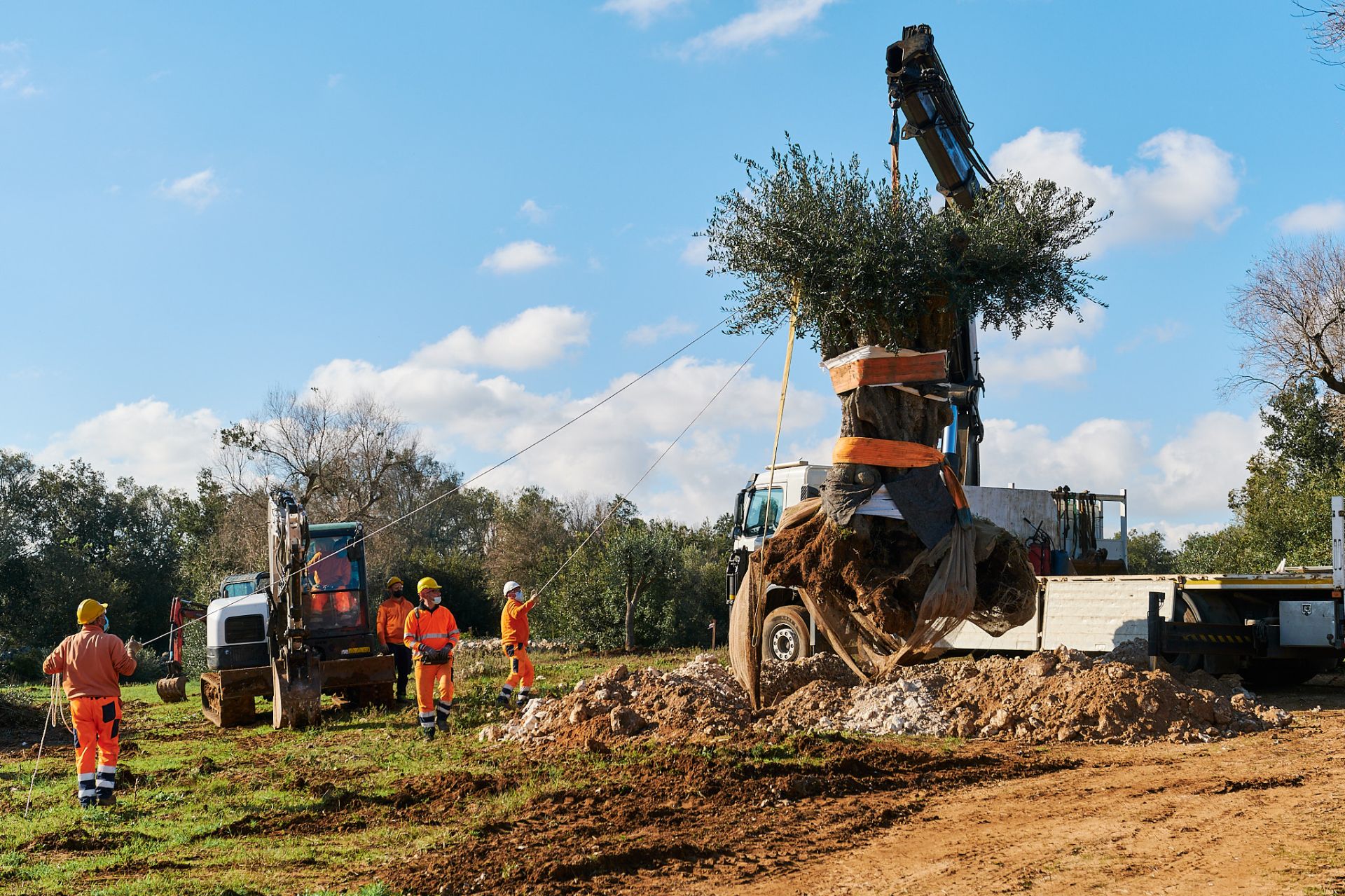
The first to come back to their original locations were the young olive trees, belonging to a variety resistant to the Xylella bacterium. These were replanted instead of the trees which had to be cut due to being infected with the bacterium.
Then, TAP’s specialised contractors replanted the healthy olive trees, which had been moved from the pipeline route and cared for in canopies in Masseria del Capitano, close to the PRT area. 828 olive trees, some considered monumental, are returning to their original locations, using a geo-reference tracking system.
In addition, 930 new young olive trees, of varieties resistant to Xylella, are being planted along the 8km corridor to replace the cut ones due to being infected by the bacterium, in line with the guidelines of phytosanitary authorities.
Dry stone walls
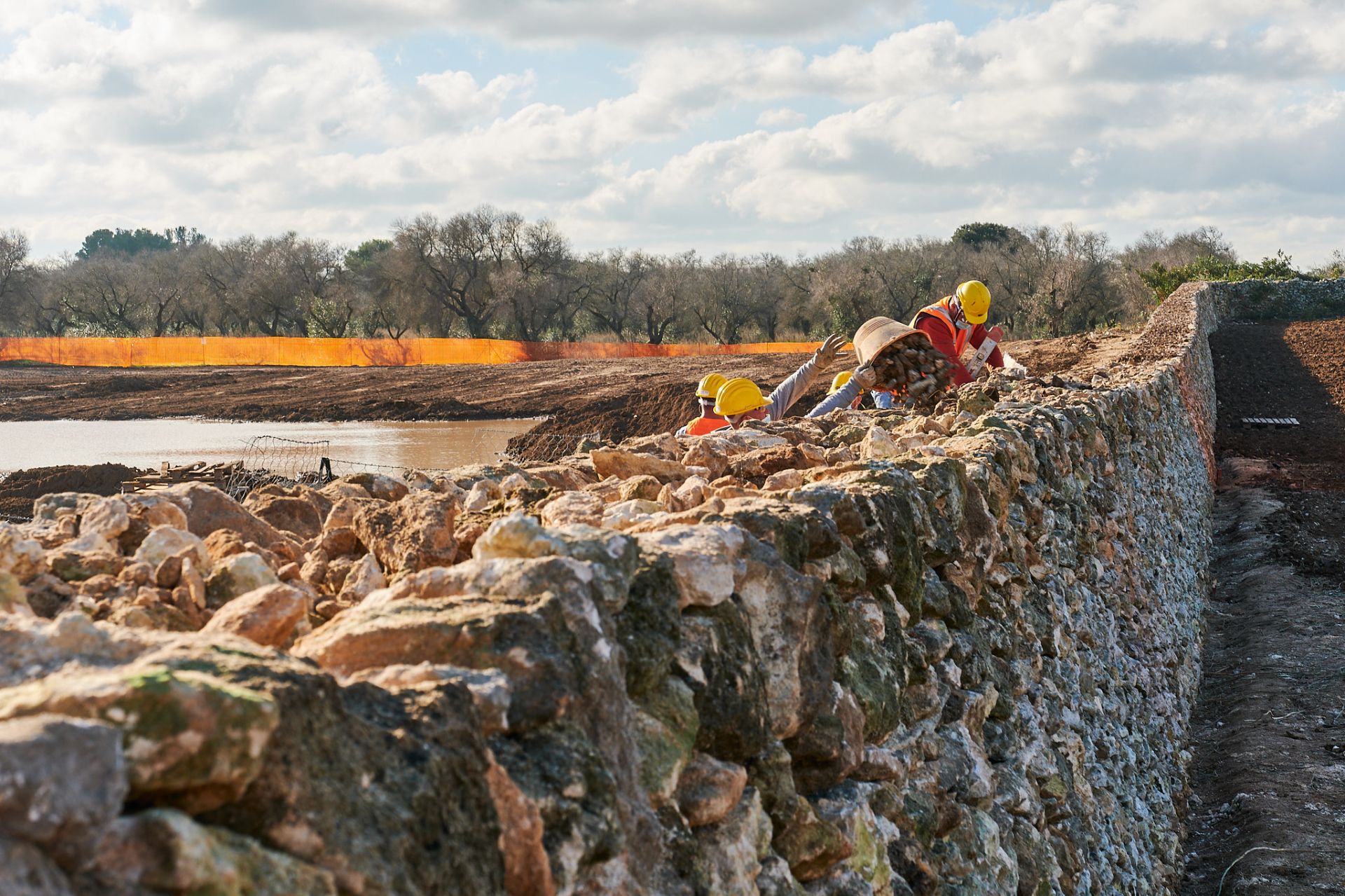
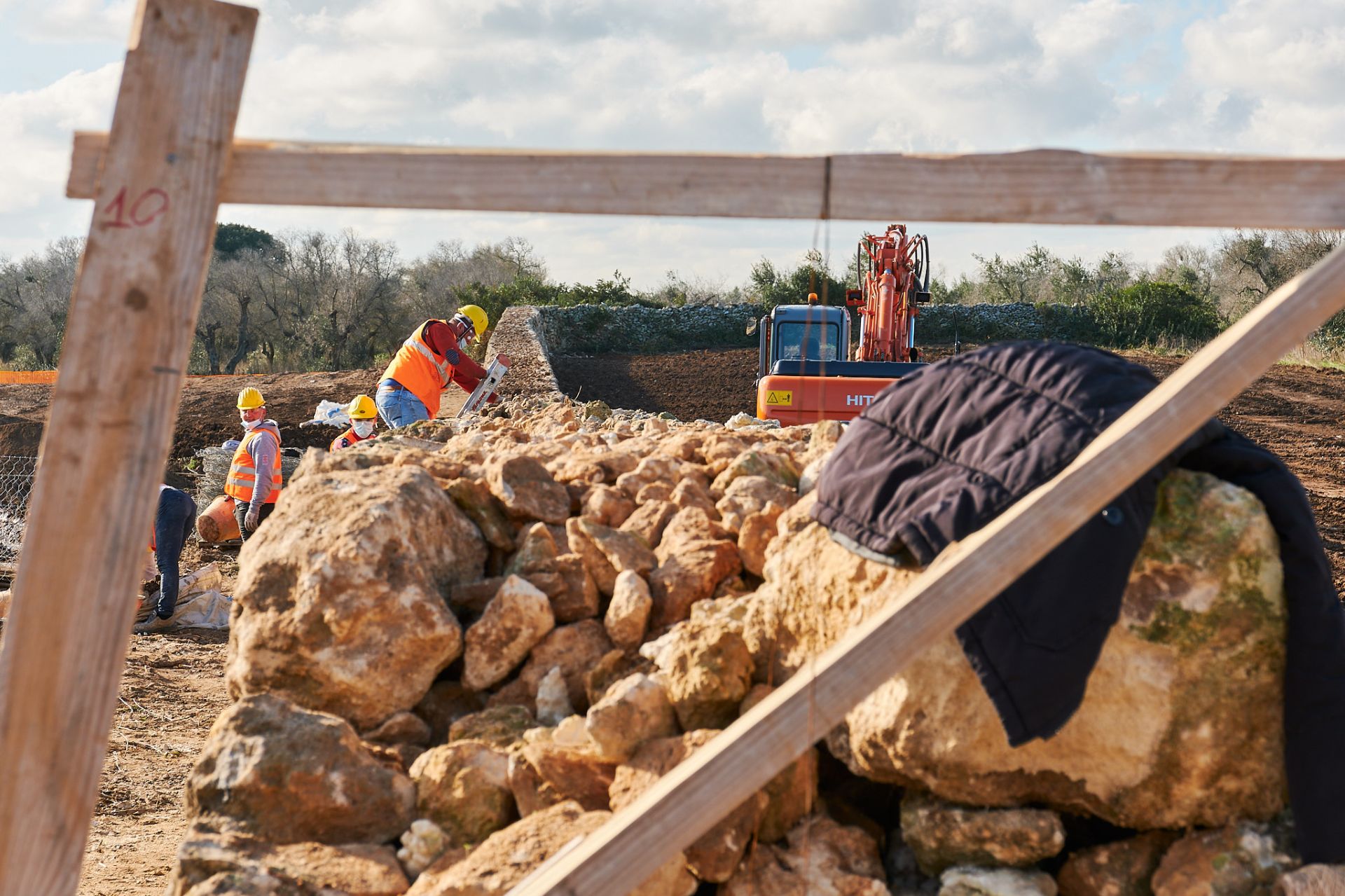
As part of TAP’s restoration works, the reconstruction activities of the dry stone walls also play a significant role, aiming at reinstating the typical countryside landscape of the territory.
In this context, TAP has developed a series of procedures for managing the disassembly and reassembly of the dry stone structures. TAP provided specialised workers and a team of archaeologists to monitor activities in case of uncovering any possible ancient remains and to document the structures and ensure the restoration is consistent with the pre-construction conditions.
Approximately 110 dry stone walls affected by the pipeline route have been catalogued, numbered and documented, and subsequently dismantled, divided by sections (top, body and bottom of the wall) and stored in pallets of 1 cubic meter each, to be then reassembled in the same manner, respecting the original architectural and landscape structure.
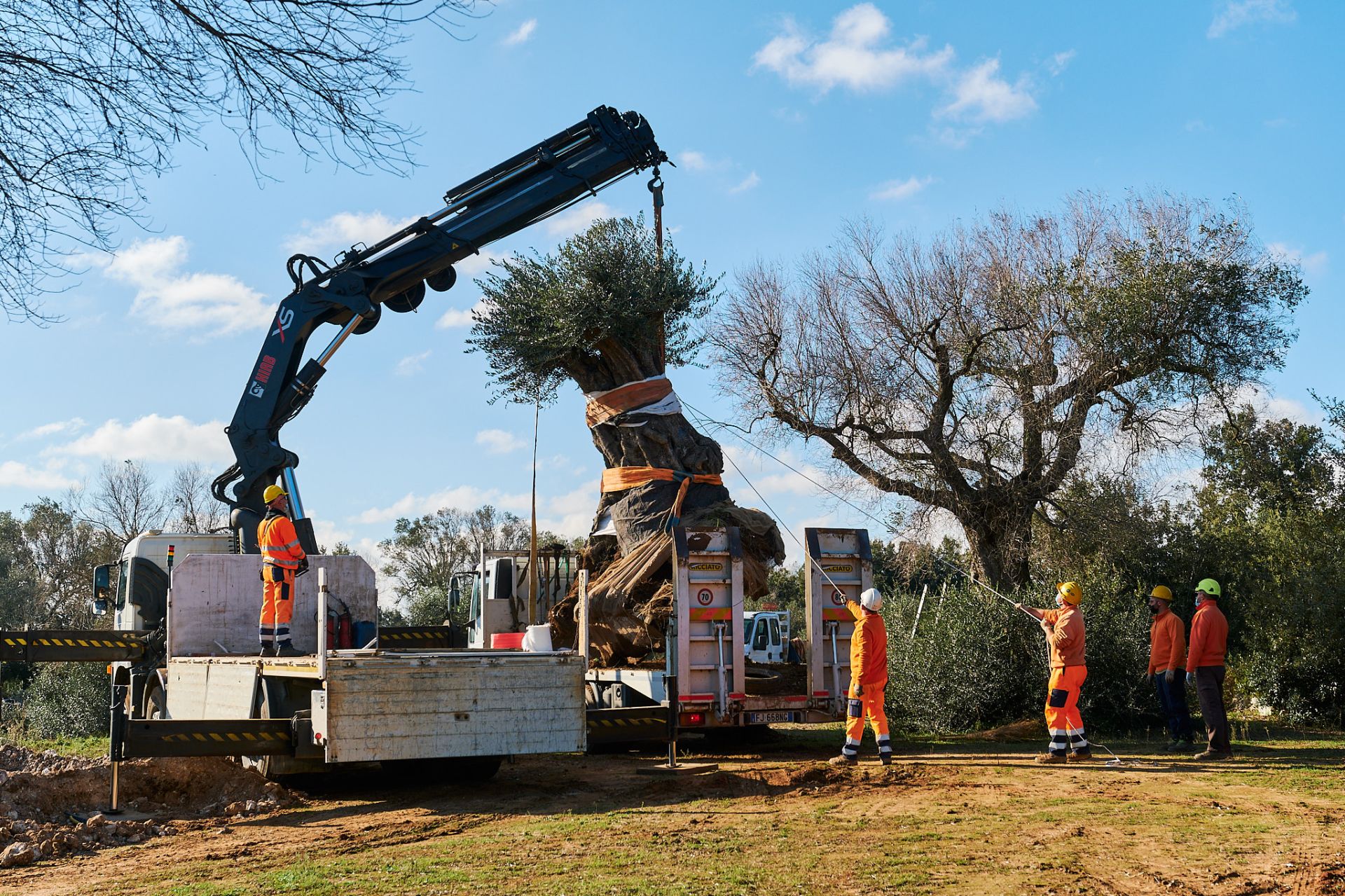
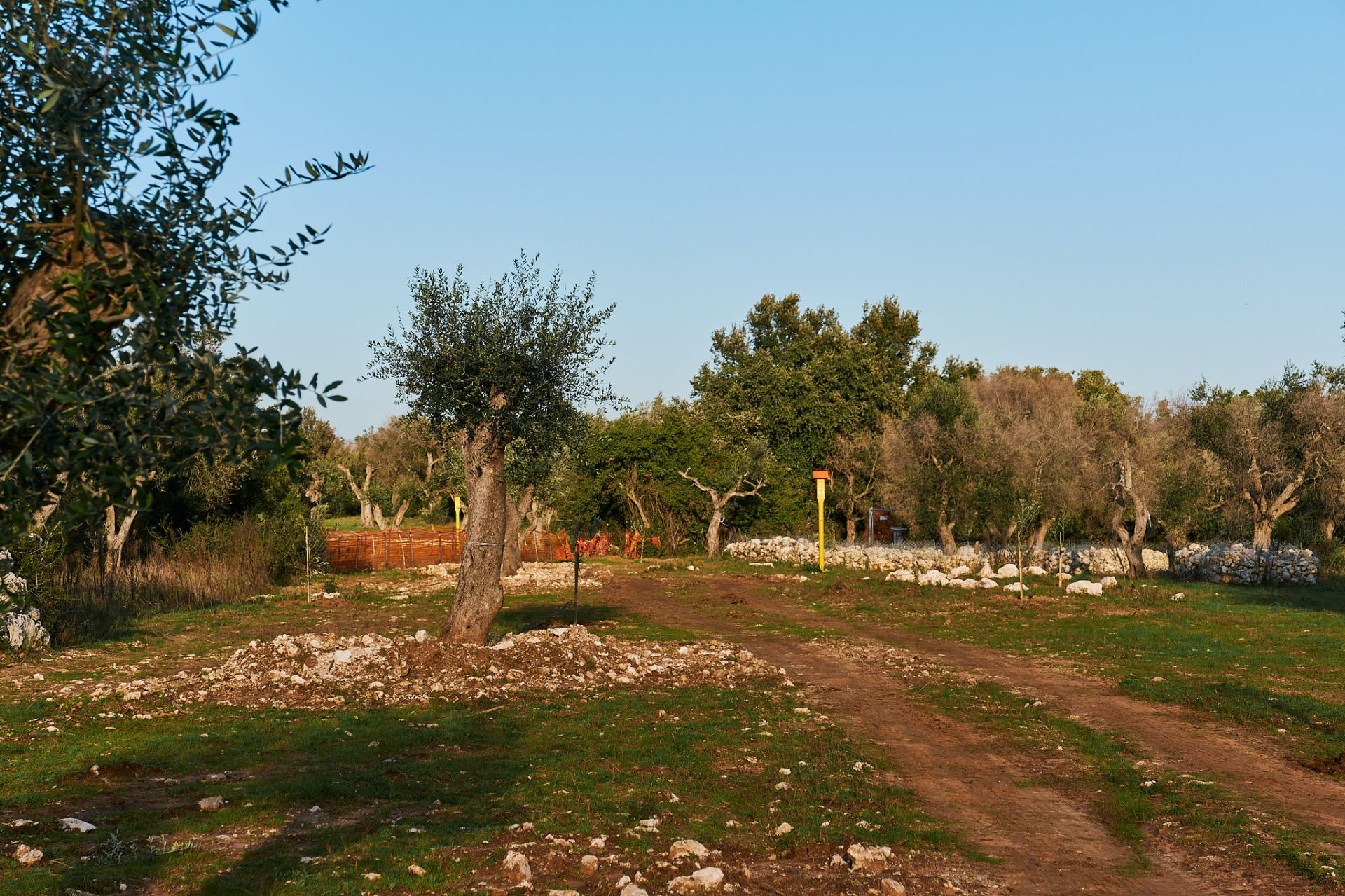
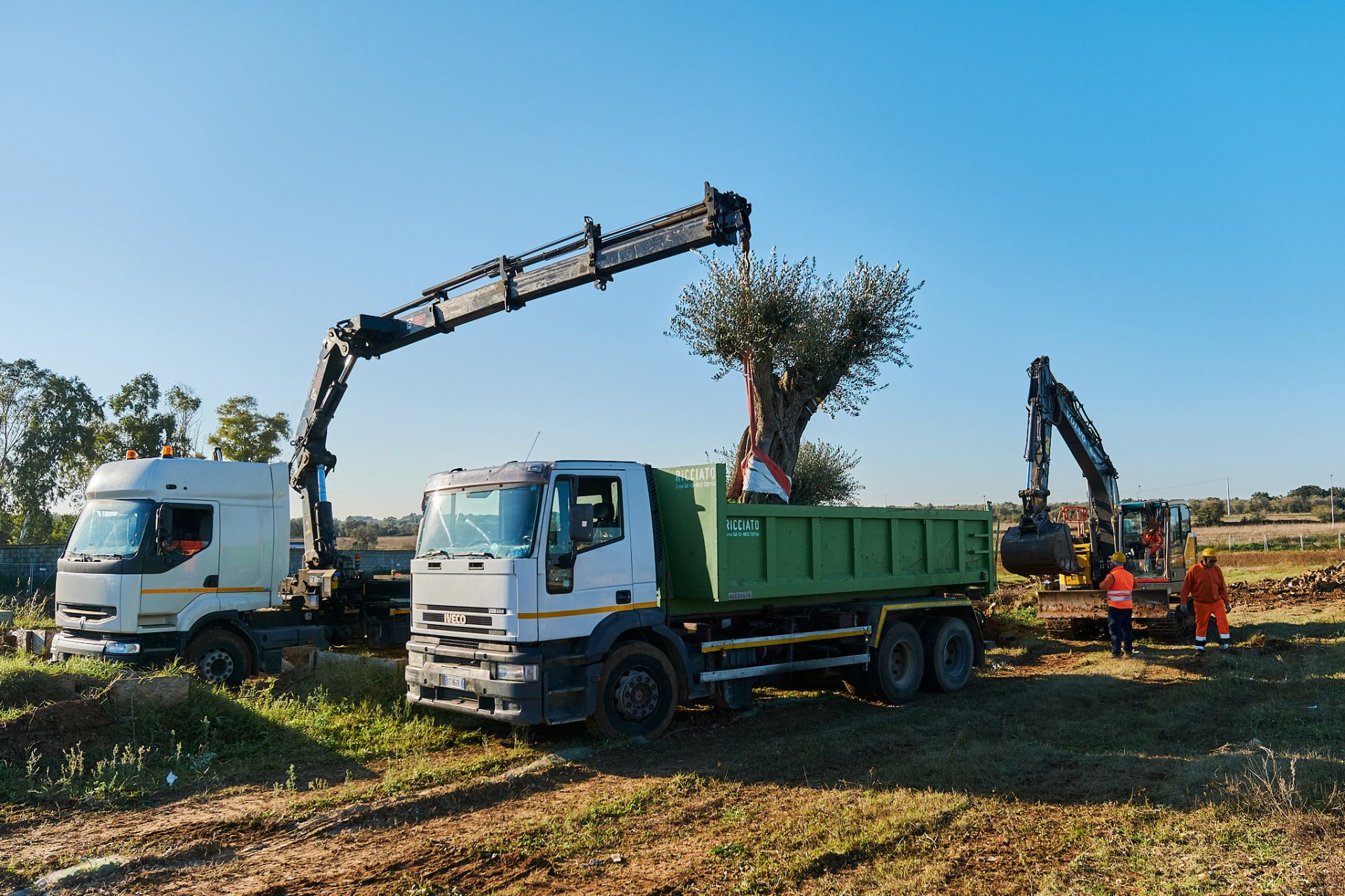
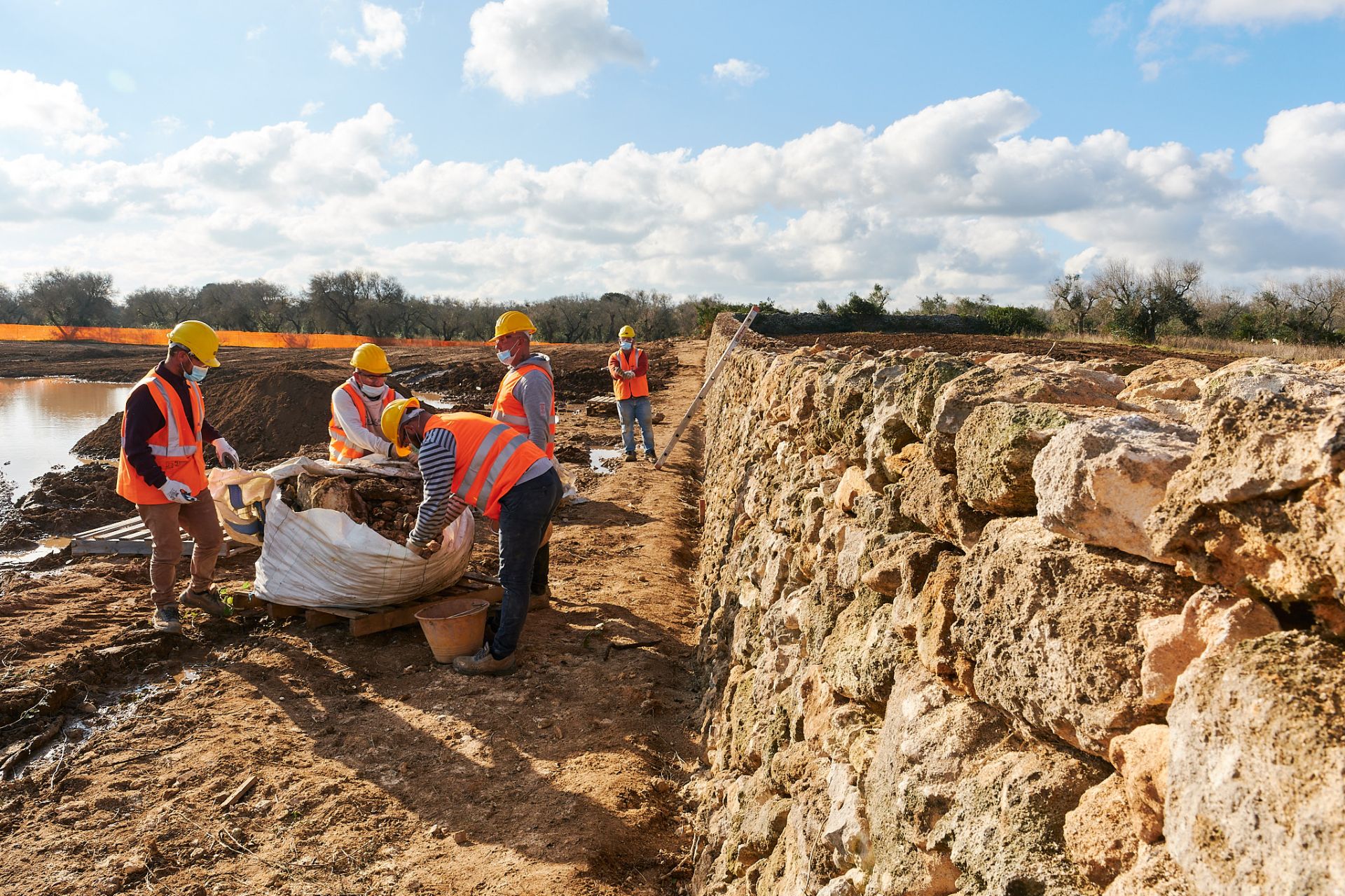
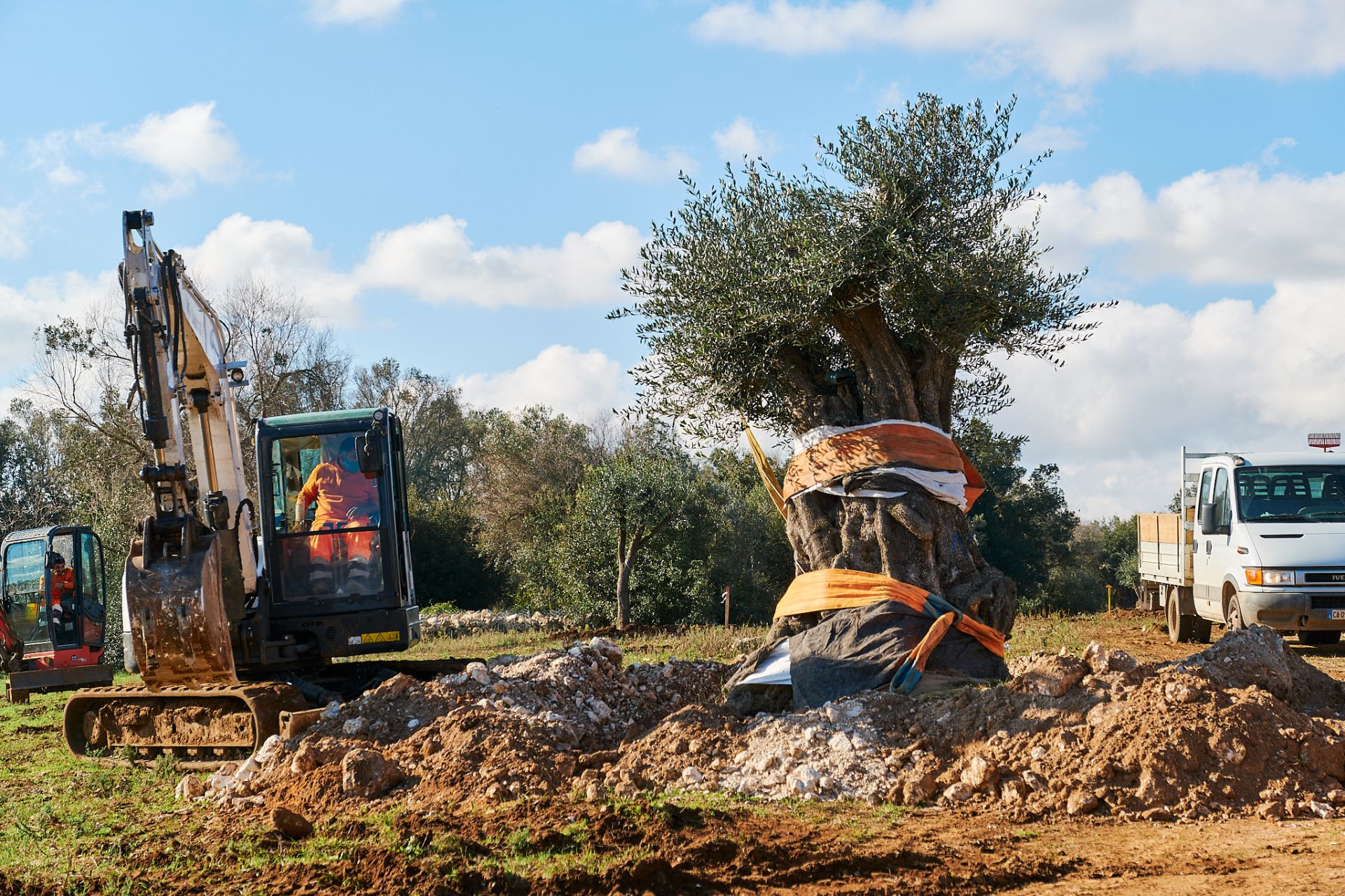


The environmental reinstatement operations began in November 2020 and are due to be concluded in the spring of 2021.