
Working with Care for the Environment along TAP’s Route
October 4 marks the annual “World Animal Day”, an initiative aimed to raise awareness about animal welfare globally. We therefore took the opportunity to look back on TAP’s environmental efforts and commitments as well as report on recent actions to identify, mitigate and protect important species, their habitats and ecosystems along the pipeline route.


During the early planning stages, TAP conducted several field survey of fauna and flora species across the three host countries and the Adriatic Sea. TAP’s Environmental and Social Impact Assessments (ESIAs) then mapped all possible environmental, cultural and socio-economic impacts of the pipeline and included measures to avoid and mitigate them during and after construction and operations.
Environmental efforts continue in parallel with construction activities on the ground. Throughout 2016, TAP conducted a series of surveys and ecological management tasks on fauna species including otter, large mammals, birds, freshwater fish, amphibians and reptiles, bats as well as ground squirrels.
These surveys resulted in thorough and practical mitigation programmes with hands-on recommendations for handling ecosystems during the construction period.
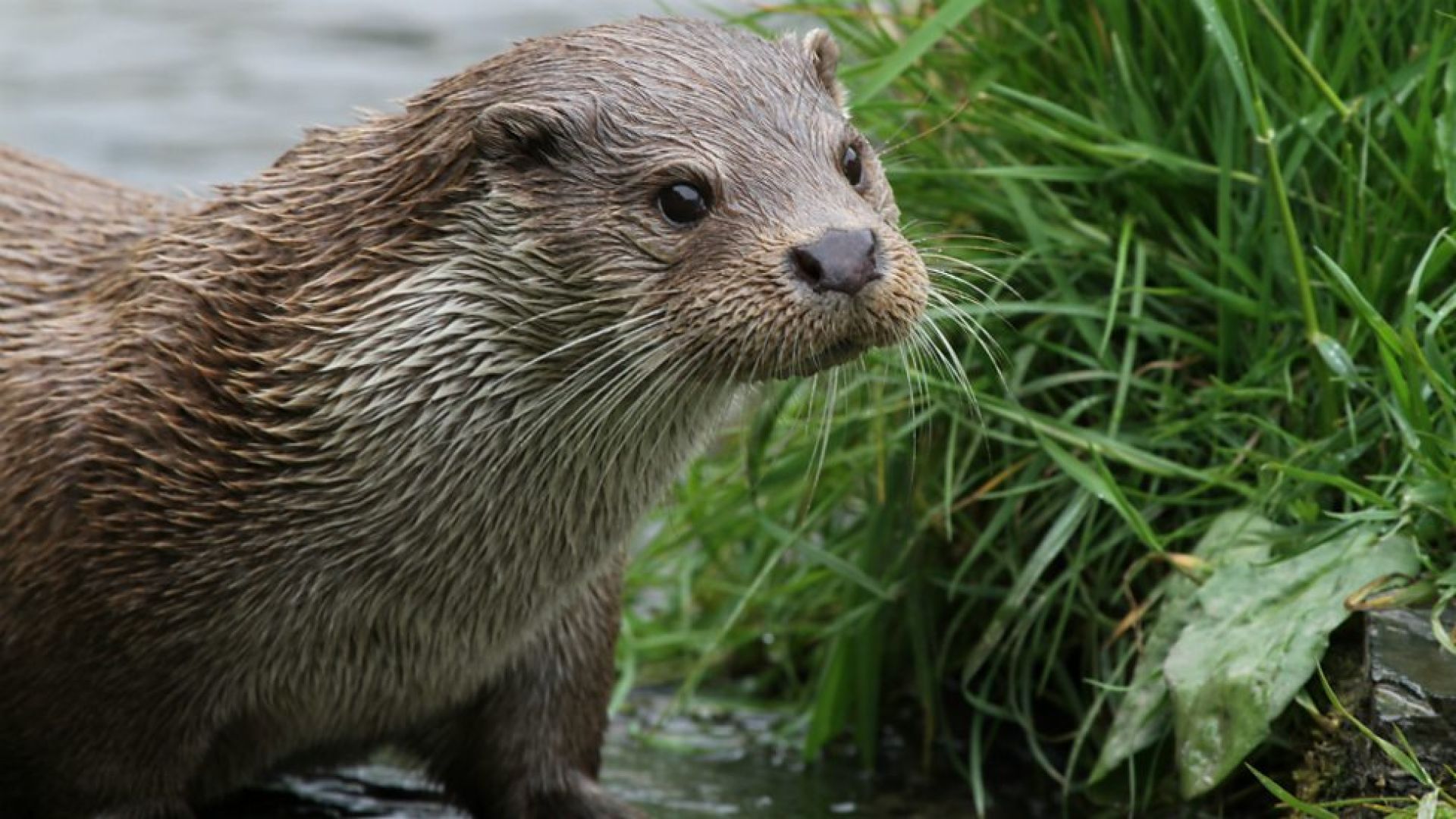
Eurasian otters, a species protected by Greek and Albanian legislation, are widespread throughout the mainland in a wide range of aquatic habitats in rivers, streams, canals, lakes, marshes and deltas. TAP’s otter surveys investigated any water body crossed by the pipeline that was considered potential otter habitat. Where otters were found along the pipeline corridor, the following mitigation measures have been proposed to minimise potential impact:
- Carry out further checks for otter holts and resting sites immediately before works begin.
- Prepare a detailed work plan to minimise impacts should holts or resting sites be found within 30m of TAP’s working site.
- Minimise removal of riparian vegetation and leave a vegetated strip at the crossing point for as long as possible (i.e. restrict initial clearance to running track).
- Provide prevention measures for equipment entering rivers.
- Restrict construction activities along riverbanks to under three days.
- Place exit ramps (wooden boards) in the pipeline trench to allow otter easy access for travel.
- Restore riparian vegetation as soon as possible after completion of works.
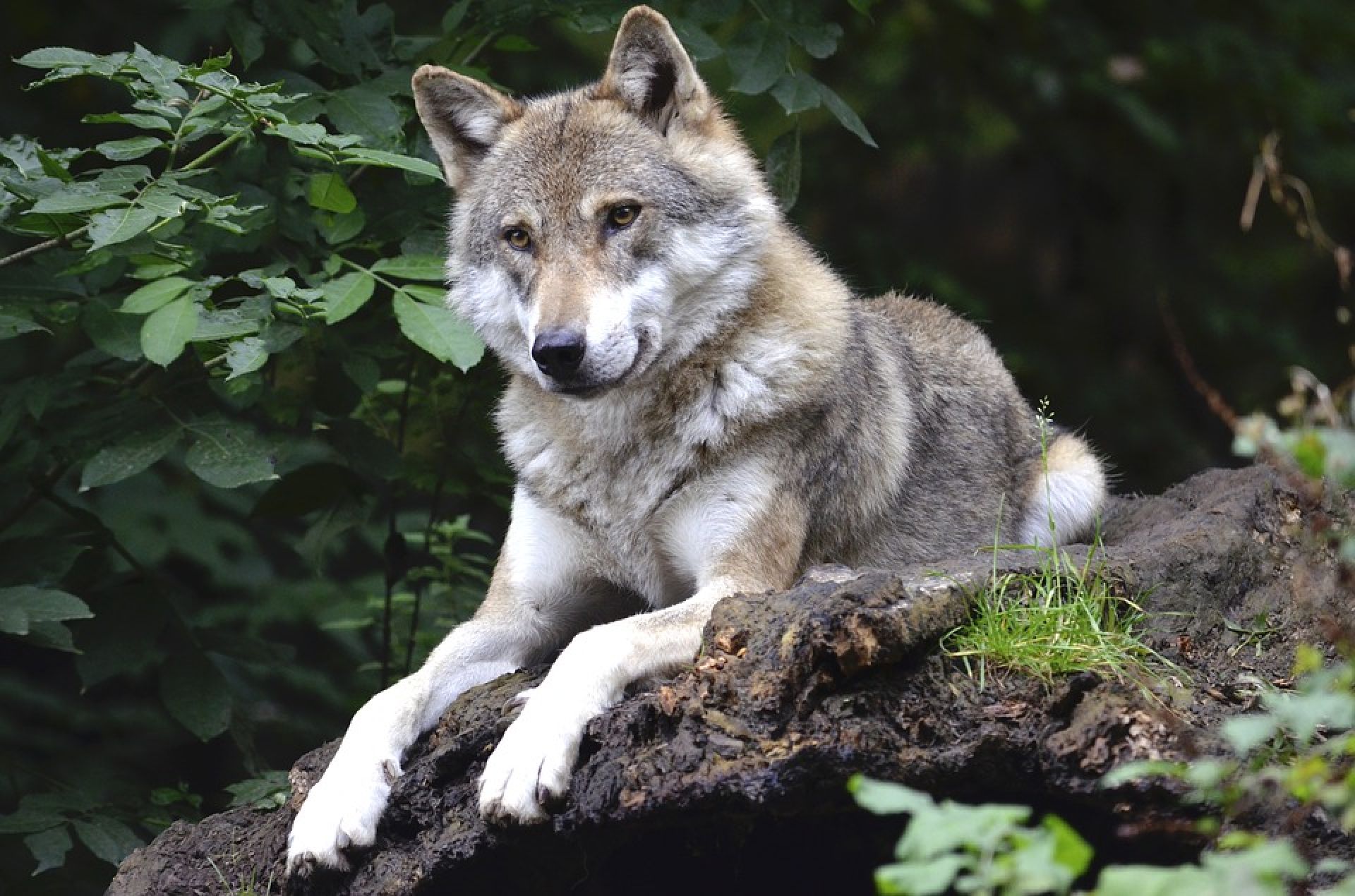
Following TAP’s survey on wolves, a species found in the west and north Greece, the following mitigation measures will be implemented:
- Minimise the tree clearing and soil grading width in forest areas.
- Align the pipeline route adjacent to existing pipelines, powerlines, roads and other linear facilities to avoid or reduce potential habitat fragmentation.
- Avoid known wolf dens and confine construction activities to times when wolves are not denning or weaning pups.
- Avoid, where possible, dawn-dusk and night-time works when wolves are mostly active around dens and home sites.
- Avoid locating facilities (e.g. camps, pipe laydown areas) or installing artificial lighting in sensitive areas.
- Keep access for wolves open at wildlife crossing points and cover pipeline trench as soon as possible after installation.
TAP environmental experts continue to work closely with our construction and engineering teams on the ground to monitor mapped sensitive areas and ecosystems and limit the impact on species and their important habitats along the project route.